
REVIEW · ARASHIYAMA BAMBOO GROVE TOURS
Kyoto Arashiyama Tour: Iconic Sights and Hidden Treasures
Arashiyama is more than its famous bamboo grove. This four-hour walk links 1,200 stone rakan statues, quiet temples, old village lanes, mountain views, and Togetsukyo Bridge without asking you to sort out the route yourself. I like the way it reaches places many first-time visitors would miss, especially Otagi Nenbutsu-ji and Jōjakkōji Temple.
I also like the small maximum of eight people, which gives you a fair chance to ask questions instead of trailing behind a large crowd. The guide’s cultural explanations add meaning to the temples. The tradeoff is simple: this is a walking tour with several stops, so Kyoto’s heat, rain, hills, and uneven paths can make the four-hour route feel demanding.
In This Review
- The best parts of this Arashiyama walk
- Why this route works better than a bamboo-only visit
- Otagi Nenbutsu-ji and its 1,200 stone figures
- Adashino Nenbutsu-ji and a quieter Buddhist setting
- Saga Toriimoto Preserved Street
- A break at Sabou Sagano
- Jōjakkōji Temple and mountain views
- Mikami Shrine, the shrine of hair
- Ogura Pond and the quieter side of Sagano
- Bamboo Forest Street: famous, brief, and worth understanding
- Arashiyama Park and Togetsukyo Bridge
- What the $79.07 price buys you
- Walking, weather, and the bus fee
- Who will get the most from this tour
- Should you book the Kyoto Arashiyama tour?
- FAQ
- How long does the Arashiyama tour last?
- What time does the tour start?
- Where does the tour begin?
- Where does the tour end?
- What is the maximum group size?
- Is admission to the temples included?
- What happens on Wednesdays?
- Is the bus fare included?
- Is food or a drink included?
- Does the tour run in bad weather?
The best parts of this Arashiyama walk
- More than bamboo: Visit Otagi Nenbutsu-ji, Jōjakkōji, and other sights beyond the famous grove.
- A small group of up to eight: You get better access to the guide and less chance of being lost in a crowd.
- A practical route: The tour begins near Hannari Hokkori Square and ends near Kotokiki Bridge, covering a broad stretch of Arashiyama.
- Admission included: Entry to Otagi Nenbutsu-ji, Adashino Nenbutsu-ji when used, Sabou Sagano, and Jōjakkōji is included.
- One short refreshment stop: Coffee, tea, or juice is provided at Sabou Sagano.
- A useful Kyoto introduction: The guide connects temples, shrines, customs, and scenery in a way that saves you research time.
Why this route works better than a bamboo-only visit
Many people come to Arashiyama for one photograph in the bamboo grove, then discover that the district has far more to offer. This route gives you that famous photo stop, but it places the grove inside a wider walk through Sagano’s religious sites and traditional streets.
That matters because the bamboo path itself is brief. The scheduled stop at Bamboo Forest Street lasts about 10 minutes, enough for photographs but not a long, quiet stroll. By adding temples and viewpoints before and after it, the tour gives you a fuller sense of the area.
The 9:30 a.m. start is also useful. You reach Arashiyama early enough to begin before the day is at its busiest, although no schedule can guarantee an empty bamboo grove. The tour lasts about four hours, so you still have the afternoon for lunch, more sightseeing, or a return to a place that caught your eye.
More of Arashiyama and the bamboo grove:
- Kyoto: Fushimi Inari, Kinkakuji, Bamboo Grove 1 Day Bus Tour
★ 4.8 · 4,316 reviews - Kyoto/Osaka: Nara, Fushimi Inari Taisha, Arashiyama Bus Tour
★ 4.7 · 1,275 reviews - Kyoto Arashiyama Walking Tour: Bamboo, Monkeys, Gardens & Secrets
★ 5.0 · 1,216 reviews
Otagi Nenbutsu-ji and its 1,200 stone figures
Otagi Nenbutsu-ji is the kind of place that changes your idea of what a Kyoto temple can be. Its grounds contain more than 1,200 stone rakan figures, each with a different expression and character. Instead of one grand image repeated across the grounds, you get a crowd of small, individual faces.
The scheduled visit lasts about 20 minutes, and admission is included. That is enough time to take in the statues and hear why the temple matters, though you should not expect an unhurried, hour-long temple visit.
This stop is especially valuable if you have already seen Kyoto’s largest and most formal temples. Otagi Nenbutsu-ji feels more intimate and unusual. The guide can help you read the site beyond its visual appeal, explaining the religious meaning of the figures and the place within Kyoto’s Buddhist tradition.
There is one important calendar detail. Otagi Nenbutsu-ji is closed every Wednesday. On that day, the route uses Adashino Nenbutsu-ji instead. If seeing the stone rakan is your main reason for booking, avoid Wednesday.
Adashino Nenbutsu-ji and a quieter Buddhist setting
Adashino Nenbutsu-ji sits in Kyoto’s Sagano district and was founded in 811 by the monk Kūkai. It was created to honor people who died without family members to care for their memorials. That purpose gives the temple a solemn tone, quite different from the playful expressions of Otagi’s stone figures.
The stop is listed at about 20 minutes, with admission included. It is used on Wednesdays because of Otagi Nenbutsu-ji’s weekly closure, but the site also helps explain the area’s long connection with memorial rites and Buddhist practice.
You should think of this as a place for quiet attention rather than a quick checklist stop. The guide’s commentary is useful here because the meaning of the grounds may not be obvious from the architecture alone.
Saga Toriimoto Preserved Street
Between the temple visits, the route passes through Saga Toriimoto Preserved Street. This old street leads toward Mount Atago and is lined with traditional village buildings, including thatched-roof houses.
The street offers a welcome change from Kyoto’s better-known temple approaches. You can look at the older building style, see how the area once functioned as a village route, and enjoy a slower pace before the more photographed parts of Arashiyama.
The supplied timing does not give this section a separate duration, so the amount of time here depends on the group’s pace and the guide’s route. Treat it as a scenic walking section rather than a full standalone attraction.
A completely different side of Kyoto:
- PERFECT KYOTO 1-Day Bus Tour
★ 5.0 · 13,518 reviews - Kyoto: Tea Ceremony in a Traditional Tea House in Kiyomizu
★ 4.9 · 3,519 reviews - Kyoto Geisha Walking Tour: Gion District & Hidden Gems
★ 4.7 · 3,273 reviews - Kyoto: Tea Ceremony Ju-An at Jotokuji Temple
★ 4.9 · 3,207 reviews
A break at Sabou Sagano
After the temples and preserved street, the tour stops at Sabou Sagano for about 25 minutes. One coffee, tea, or juice is included. Other drinks and food, including matcha, cost extra.
This pause is practical, not merely decorative. Four hours of walking in Kyoto is easier when you have a place to sit and reset. It also breaks up the temple visits and gives you a chance to ask the guide questions in a less hurried setting.
Do not assume the included drink covers the full menu. If you want matcha or something beyond coffee, tea, or juice, bring extra money. The stop is short, so it is best used for a quick rest rather than a long café meal.
Jōjakkōji Temple and mountain views
Jōjakkōji Temple is one of the strongest stops on the route. It combines gardens, religious buildings, woodland paths, and views over the Arashiyama Mountains. The scheduled visit lasts about 30 minutes, with admission included.
The temple is well suited to readers who want scenery as well as culture. You get a peaceful setting for reflection, but you also gain viewpoints that show why Arashiyama became such a favored place for seasonal visits.
The half-hour limit keeps the tour moving, but it also means you will need to listen closely and choose your photographs carefully. If you prefer to wander slowly through every garden, you may want to return independently after the tour.
The guide’s role is important here. A view can be beautiful without telling you much. Commentary about the temple’s history and cultural role helps turn the stop into more than a camera break.
Mikami Shrine, the shrine of hair
Mikami Shrine offers one of the route’s most unusual details. It is dedicated to beauty, specifically hair, and is known as the shrine of hair. People come to pray for beautiful hair and to connect everyday grooming with spiritual practice.
This is a small but memorable stop because it shows how varied Japanese religious life can be. Kyoto’s shrines are not all devoted to grand national stories or famous historical figures. Some address very personal hopes and daily concerns.
The schedule does not list a separate time for Mikami Shrine. Expect it to be part of the walking route rather than a long formal visit.
Ogura Pond and the quieter side of Sagano
Ogura Pond provides another pause from major temple grounds and famous photo spots. Its water reflects the surrounding trees and mountains, with the appearance changing by season and weather.
The tour description does not give a fixed stop time, so the guide may use it as a short scenic pause while leading the group onward. It is a useful part of the route because you are not spending all four hours inside buildings or on crowded paths.
If you enjoy taking photographs, keep your camera ready here. The reflections and greenery offer a softer view of Arashiyama than the tall bamboo stalks do.
Bamboo Forest Street: famous, brief, and worth understanding
The bamboo grove is the most recognizable part of Arashiyama, and the tour includes a 10-minute photo stop. Entry is free.
Ten minutes is enough to see the tall bamboo, take photographs, and understand the visual appeal. It is not enough for a long walk through every section of the grove. That limitation is worth knowing before you book, especially if bamboo is your top priority.
I see the short stop as a strength for people who want a well-rounded morning. The tour does not let one famous path swallow the whole experience. If you want extended time among the bamboo, you can return after the tour and explore at your own speed.
The guide also helps you place the grove within the wider Arashiyama visit. After seeing temples, village architecture, ponds, and mountain views, the bamboo feels like one part of the district rather than the entire story.
Arashiyama Park and Togetsukyo Bridge
The route continues through an area with views of the Arashiyama Mountains and peaceful riverside settings. You may walk along the river or pause in the park before reaching Togetsukyo Bridge.
Togetsukyo Bridge spans the Hozu River and is one of the district’s signature sights. The scheduled stop lasts about 10 minutes, and admission is free. The bridge gives you a broad view of the river and surrounding mountains, a useful final counterpoint to the enclosed temple gardens.
The tour ends near the Site of Kotokiki Bridge, close to where it begins. That makes the finish convenient if you want to keep exploring Arashiyama on foot afterward. You can also use the nearby area to find lunch or revisit a temple, although the tour does not include a meal.
What the $79.07 price buys you
At $79.07 per person, this is not the cheapest way to walk around Arashiyama. You can visit free sights on your own, and some temples can be reached without a guide.
The value comes from the route planning and the included admissions. You visit several temples, receive cultural explanations, get one drink at Sabou Sagano, and avoid spending time working out how the sights connect. For a first visit, that can be worth paying for, particularly if you have only one morning in the district.
The group limit matters here. With no more than eight people, the guide can respond to questions and keep the pace together. A large group would make the same four-hour route less personal and harder to manage.
I would not book this tour only to save money on entrance fees. I would book it if you want a guided introduction that combines the famous sights with places you might otherwise skip.
Walking, weather, and the bus fee
A moderate amount of walking is involved. Comfortable walking shoes are essential, since the route includes temple grounds, preserved streets, park paths, and several outdoor sections.
The tour runs rain or shine. Kyoto’s weather can affect how pleasant the morning feels, so bring suitable rain protection or sun protection according to the forecast. Summer can be hot and humid, and the tour’s walking pace may feel more strenuous then.
The bus fee is not included. You should have an IC card or ¥230 in coins ready. This is a small extra cost, but it is the kind of detail that can cause a needless delay if you arrive without a payment method.
The meeting point is Hannari Hokkori Square, at 20 Sagatenryūji Tsukurimichichō, in Kyoto’s Ukyo Ward. The start time is 9:30 a.m. The tour uses a mobile ticket, and confirmation is provided when you book.
Who will get the most from this tour
I would recommend this experience to a first-time Kyoto visitor who wants Arashiyama organized into one clear morning. It also suits anyone who likes temple culture but does not want to spend hours researching which sites deserve attention.
The tour is a good match for people who enjoy walking, photographs, scenic viewpoints, and short cultural explanations. The small group should appeal to you if you prefer the chance to ask questions.
You may want another plan if your main goal is a slow, private visit to the bamboo grove. The 10-minute bamboo stop is brief, and the four-hour route includes several temples and walking sections. You should also think twice if hot weather, rain, or moderate walking will be difficult for you.
Free cancellation is available when you cancel at least 24 hours before the local start time. Last-minute cancellations and changes are not accepted for a full refund.
Should you book the Kyoto Arashiyama tour?
Book it if you want Arashiyama’s major sights tied together with lesser-known temples, a small group, and clear cultural context. The strongest reasons are Otagi Nenbutsu-ji’s remarkable stone figures, Jōjakkōji’s views, the preserved street, and the convenience of finishing near Togetsukyo Bridge.
Skip it if you want to set your own pace or spend most of your morning in the bamboo grove. Also avoid Wednesday if Otagi Nenbutsu-ji is essential to you, since Adashino Nenbutsu-ji replaces it that day.
For most first visits, the price is fair because you are paying for a thoughtfully arranged route, temple admissions, guidance, and a small group rather than simply a walk to one famous photo spot.
FAQ
How long does the Arashiyama tour last?
The tour lasts approximately four hours.
What time does the tour start?
The tour starts at 9:30 a.m.
Where does the tour begin?
It begins at Hannari Hokkori Square, 20 Sagatenryūji Tsukurimichichō, Ukyo Ward, Kyoto.
Where does the tour end?
The tour ends at the Site of Kotokiki Bridge in Sagatenryuji Tsukurimichicho, Kyoto.
What is the maximum group size?
The tour has a maximum of eight people.
Is admission to the temples included?
Admission to the scheduled temple stops is included. On Wednesdays, Adashino Nenbutsu-ji is used because Otagi Nenbutsu-ji is closed.
What happens on Wednesdays?
Otagi Nenbutsu-ji is closed every Wednesday, so the tour visits Adashino Nenbutsu-ji instead.
Is the bus fare included?
No. The bus fee is excluded. You should have an IC card or ¥230 in coins ready.
Is food or a drink included?
One coffee, tea, or juice is included at Sabou Sagano. Other drinks and menu items, including matcha, cost extra.
Does the tour run in bad weather?
Yes. The tour operates rain or shine. Comfortable walking shoes are recommended because a moderate amount of walking is involved.
Recently added around Kyoto
- Higashiyama | Kyoto: Sakura Season Private Rickshaw Tour★ 5.0 · 3 reviews
- Kyoto Kimono Rental CHAMATSU|Kimono/Yukata Rental FamilyPlan★ 5.0 · 3 reviews
- Kyoto: Half-Day Private Guided Tour to the Old Town of Gion★ 4.4 · 3 reviews
- Nara Private Customizable Half Day Tour★ 5.0 · 3 reviews
- Kansai Region Hiking Adventure in Nara Kobe Kyoto and More★ 5.0 · 3 reviews
- Full Day Nara Deer, Temple, Shrine, Activities & Tea Ceremony★ 5.0 · 3 reviews
- Nara: Essential Private Tour with Deer Park and Temples★ 5.0 · 3 reviews
- Hiking Tour for Sacred Sites in Kyoto with a Guide★ 5.0 · 3 reviews
Arashiyama Bamboo Grove Tours, compared.
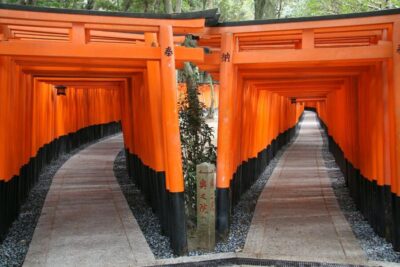
Fushimi Inari, Kinkakuji, Bamboo Grove 1 Day Bus Tour
Read our review →
Kyoto/Osaka: Nara, Fushimi Inari Taisha, Arashiyama Bus Tour
Read our review →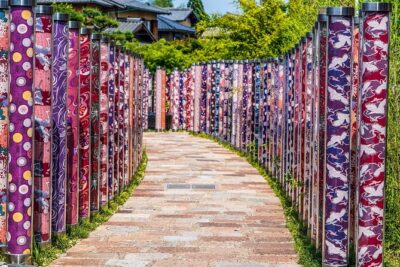
Kyoto Arashiyama Walking Tour: Bamboo, Monkeys, Gardens & Secrets
Read our review →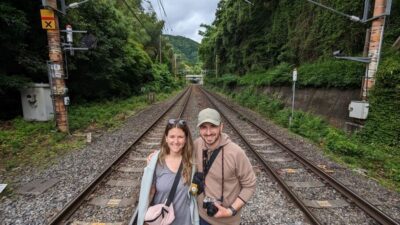
Arashiyama Bamboo, Temple, Monkeys, or Secret Sake Brewery
Read our review →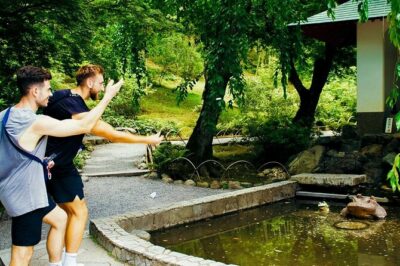
Arashiyama Bamboo Forest, Monkeys, Matcha & Temple Tour
Read our review →
Nijo, Kinkaku-ji, Arashiyama, Kiyomizu & Fushimi Inari
Read our review →
Kyoto Ghost Tour: Dark Tales, Urban Legends, Bamboo Forest Night
Read our review →
Arashiyama Bamboo Forest & Hidden Gems Bike Tour (Early Bird)
Read our review →Browse the lists this tour appears in