
REVIEW · 1-DAY TOURS
Kyoto 1 Day Golden Route Bus Tour
Kyoto’s biggest sights are spread across the city, and this full-day bus tour tackles the main set in one ambitious sweep. You’ll pass through Fushimi Inari’s orange torii gates, look over Kyoto from Kiyomizu-dera, walk the bamboo grove in Arashiyama, and finish with the glittering Golden Pavilion.
I like the air-conditioned vehicle, which saves you from piecing together several train and bus rides. I also like the efficient route: entrance fees are covered, lunch is included on the full-day plan, and guides such as Kuri, Toshi, Haromi, and Yoko have been praised for their clear explanations and friendly manner.
The trade-off is simple: this is a long, active day. One person counted about 16,000 steps, with stairs and plenty of walking at the temples. You’ll see a lot, but you won’t have much time to linger or wander off on your own.
In This Review
- Key points to know before booking
- Why this route works for a first Kyoto visit
- Kiyomizu-dera and the first Kyoto views
- Fushimi Inari and the orange torii gates
- Lunch and the value of a fixed midday break
- Arashiyama’s bamboo grove and Tenryu-ji
- Kinkakuji, Kyoto’s Golden Pavilion
- Kyoto Handicraft Center and the final half hour
- What the guide and vehicle add
- Is $71.85 a fair price?
- Walking, weather, and what to bring
- Who should book this Kyoto day tour?
- Should you book it?
- FAQ
- Where does the Kyoto bus tour start?
- What time should I arrive?
- How long does the full-day tour last?
- Is lunch included?
- Does the half-day plan return to Kyoto Station?
- Which admissions are included?
- Is the tour private?
- Can I cancel for a refund?
Key points to know before booking
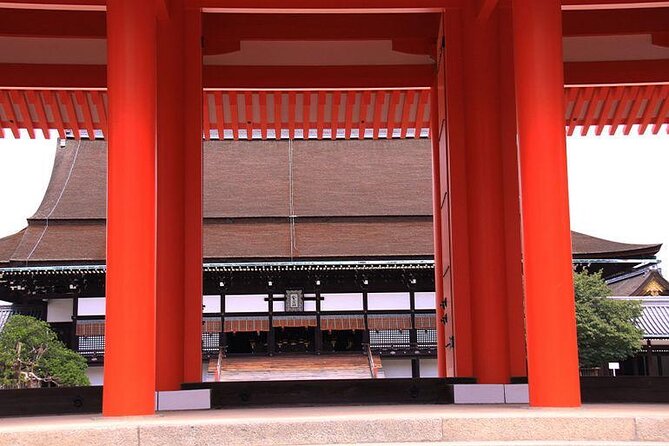
- Five major Kyoto sights in one day: Kiyomizu-dera, Fushimi Inari, Arashiyama, Kinkakuji, and the Kyoto Handicraft Center are all packed into the full-day schedule.
- About 9 hours and 45 minutes on the road: The 8:15 am departure from Kyoto Station brings you back to the same meeting point at the end.
- A serious walking day: Plan for stairs, temple paths, and roughly 16,000 steps if your pace resembles that of one past participant.
- Full-day and half-day options differ: The half-day plan ends at Arashiyama, where you return on your own. Kinkakuji, lunch, and the Handicraft Center are part of the full-day plan.
- English-speaking guide only: The guide leads the group in English, with names including Kuri, Toshi, Haromi, and Yoko praised for their personal approach.
- Maximum group size of 40: This is a shared tour, not a private outing, though the vehicle may be a passenger van rather than a large coach.
Why this route works for a first Kyoto visit
Kyoto rewards slow exploration, but first-time visitors often face a practical problem: the city’s famous sights sit in different corners. Fushimi Inari is southeast of central Kyoto, Kiyomizu-dera is on the eastern hills, and Arashiyama lies far to the west. Kinkakuji is in the northwest.
Doing all of that by yourself in one day means checking several transit routes, judging crowded stations, buying admissions, and watching the clock. This tour trades some freedom for a fixed plan and direct transport. For a short stay, that can be a smart bargain.
The route also gives you different sides of Kyoto. You’ll see a shrine known for its long tunnel of torii gates, a hillside temple with city views, a temple garden and bamboo grove, a gold-covered pavilion beside a pond, and a stop devoted to local crafts. It is not a slow cultural study, but it is a useful first look at Kyoto’s classic sights.
The full-day schedule begins at 8:15 am at the Tourist Bus Terminal by Kyoto Station’s Hachijo Entrance, near Kyoto Avanti. Arrive at least 15 minutes early. The bus leaves on schedule and does not wait for late arrivals, and missing the departure means no refund.
A few more Kyoto experiences worth comparing
- PERFECT KYOTO 1-Day Bus Tour
★ 5.0 · 13,518 reviews - Kyoto: Fushimi Inari, Kinkakuji, Bamboo Grove 1 Day Bus Tour
★ 4.8 · 4,316 reviews - 10 Must-see Spots in Kyoto One Day Private Tour (up to 7 people)
★ 5.0 · 1,108 reviews
Kiyomizu-dera and the first Kyoto views
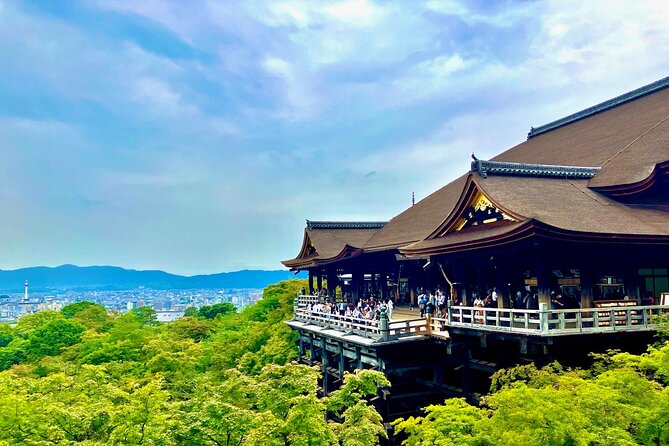
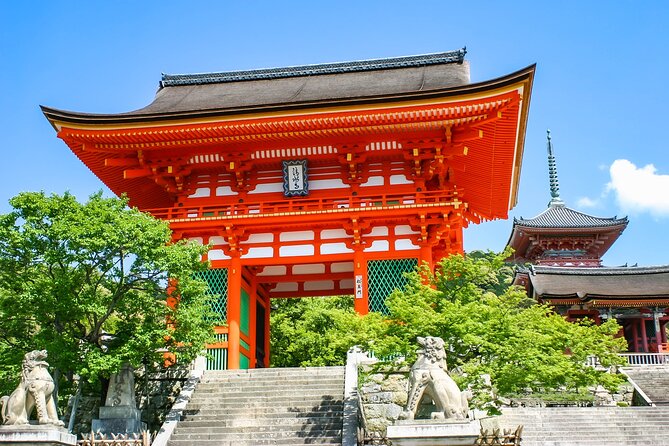
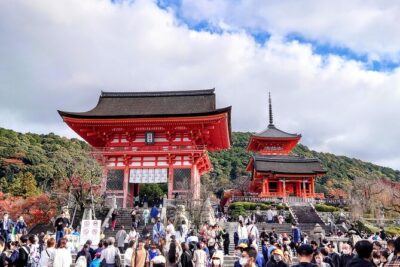
The first stop is Kiyomizu-dera, with about 1 hour and 10 minutes allowed and admission included. The temple sits on the eastern hills, and its broad wooden stage is one of Kyoto’s best-known viewpoints.
You can look across the city from above, then follow the temple paths through a busy cluster of gates, buildings, and small shops. The visit gives you a strong opening image of Kyoto: old religious architecture in the hills, with the modern city stretching beyond it.
The time limit keeps you moving. If you like photographing details, reading every sign, or exploring every side path, 70 minutes may feel tight. If you want a clear introduction and a city panorama without spending half your day at one temple, it works well.
Wear shoes that handle steps and uneven paths. Even before the later stops, this is a reminder that Kyoto sightseeing is not just riding from one monument to the next.
Fushimi Inari and the orange torii gates
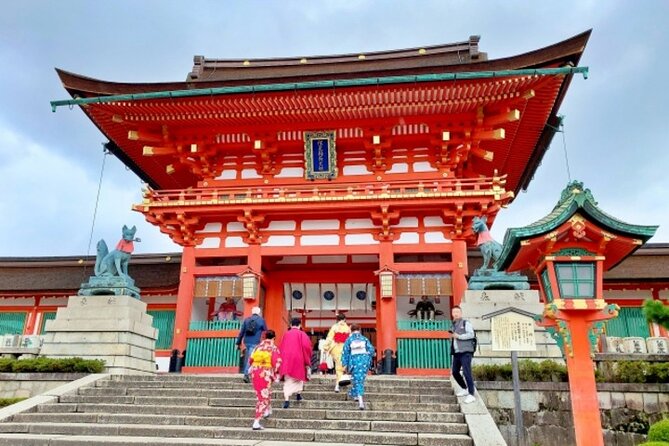
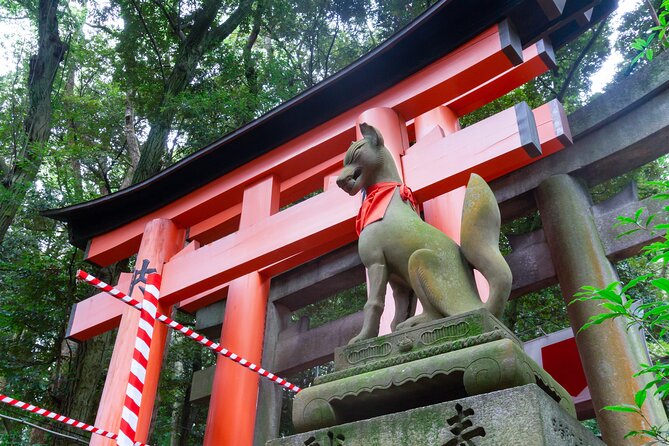
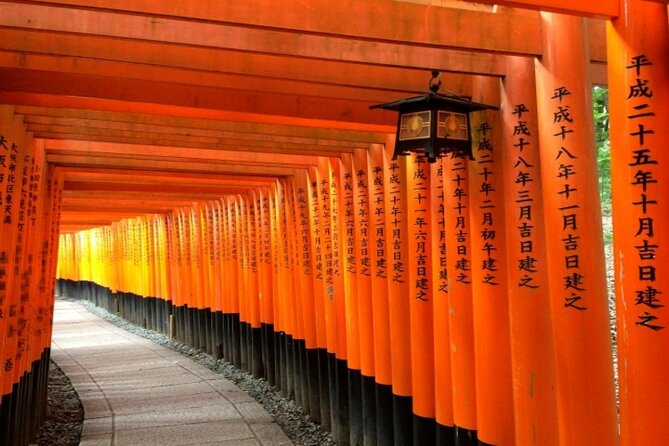
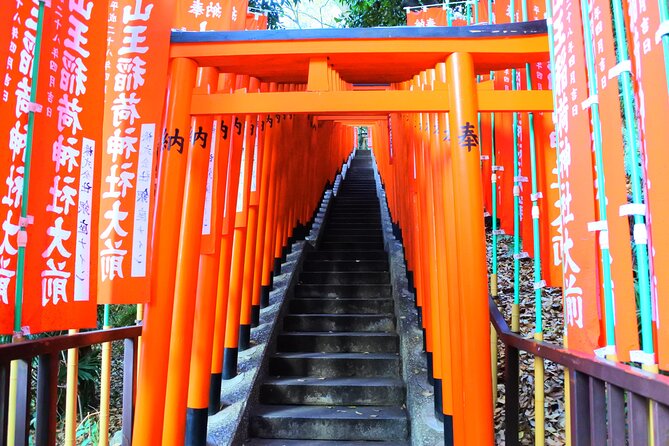
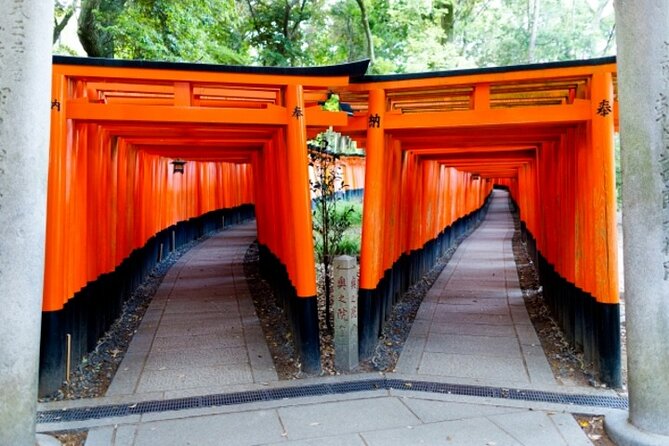
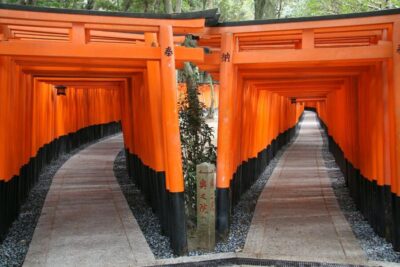
Next comes Fushimi Inari-taisha, another 1 hour and 10 minute stop with admission included. Its famous route runs beneath rows of orange torii gates, donated over time by individuals and businesses.
You do not need to reach the highest point of the mountain to enjoy the experience. The tour gives you enough time to walk through part of the gate-lined route and get the essential photographs. The farther you go, the quieter the path can become, but the schedule means you should keep track of the time and return to the meeting point promptly.
This is one of the most visually memorable stops, but it is also one of the more physically demanding. The path includes steps and slopes, and the walking comes early in the day. If you have limited mobility or dislike uphill walking, this stop deserves special thought before booking.
For many people, Fushimi Inari is the point where the tour feels most distinct from a standard city sightseeing circuit. The repeated gates create a strong sense of place, and the guide can provide context while you move through the shrine grounds.
Lunch and the value of a fixed midday break
The full-day plan includes a 50-minute Kyoto-style buffet lunch. Drinks are not included, and you should not bring your own food or beverages into the restaurant. You are asked to share allergies or dietary restrictions when booking.
A buffet is a practical choice for a group schedule. You can choose what suits you, and the meal does not require the guide to manage several separate orders. One past participant found the lunch good and plentiful, though your experience will depend on the day’s menu and your own tastes.
The bigger benefit is time. You do not need to search for a restaurant between major sights, and the whole group can get back on the road without a long pause. The drawback is that a fixed meal gives you less freedom to choose a small Kyoto restaurant or seek out a particular dish.
If local food is a major reason for your Kyoto visit, treat this lunch as fuel rather than the centerpiece of the day. The main value is convenience and a chance to sit down after the morning’s walking.
A completely different side of Kyoto:
- Kyoto: Tea Ceremony in a Traditional Tea House in Kiyomizu
★ 4.9 · 3,519 reviews - Kyoto Geisha Walking Tour: Gion District & Hidden Gems
★ 4.7 · 3,273 reviews - Kyoto: Tea Ceremony Ju-An at Jotokuji Temple
★ 4.9 · 3,207 reviews - Kyoto: Gion Magical Night Walking Tour with Geisha Trivia
★ 4.9 · 2,393 reviews
Arashiyama’s bamboo grove and Tenryu-ji
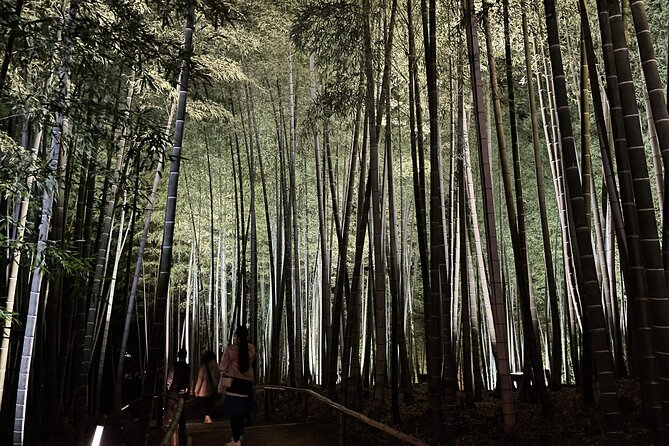
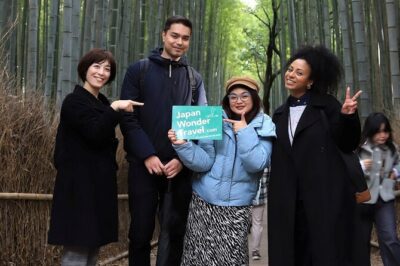
The full-day tour then heads west to Arashiyama. You have about two hours at Tenryu-ji and the bamboo grove, with Tenryu-ji admission included.
The bamboo path is short enough to visit during a busy day, but it is striking. Tall bamboo rises on both sides, making a narrow green corridor that feels very different from the open temple views earlier in the morning. Expect other people on the path, especially at popular times, and use your time for a walk rather than expecting a quiet forest trek.
Tenryu-ji adds a temple garden and religious setting to the stop. The combined two-hour visit is one of the better blocks in the schedule because it gives you time to do more than take one photograph and leave. You can walk through the bamboo area, see the temple grounds, and still have a little breathing room.
Arashiyama is also the dividing point between the two tour plans. On the half-day plan, the tour ends here and you return on your own. That is important: the half-day does not take you back to Kyoto Station, and the later Kinkakuji and shopping stops are not part of it.
On the full-day plan, you continue by vehicle. This is where the tour becomes especially useful for people who want to combine western Kyoto with the eastern and southern sights without figuring out the cross-city connections themselves.
Kinkakuji, Kyoto’s Golden Pavilion
Kinkakuji, or the Golden Pavilion, receives about 45 minutes on the full-day route, with admission included. The pavilion’s gold exterior reflects in the pond, creating one of Kyoto’s most recognizable scenes.
Forty-five minutes is enough to follow the set viewing route and enjoy the pavilion from several angles. It is not enough for an unhurried study of every garden feature, so keep your expectations realistic. This is a focused stop built around the main view.
The pavilion is a reconstruction, but the site remains one of Kyoto’s essential visits. The gold building, water, trees, and carefully framed paths show how strongly Japanese garden design depends on composition and changing viewpoints.
This stop is particularly worthwhile if you have never seen Kinkakuji. The building is not subtle, but that is part of its appeal. After the orange gates of Fushimi Inari and the bamboo of Arashiyama, the pavilion gives the day a bright, polished final temple image.
Kyoto Handicraft Center and the final half hour
The last listed stop is the Kyoto Handicraft Center, with 30 minutes for shopping. This is a brief visit, so think of it as an easy chance to browse rather than a major cultural workshop.
You might find Kyoto-style goods and souvenirs connected to traditional crafts. The stop can help you compare items in one place, particularly if you want a practical keepsake but do not want to spend your evening searching shops.
Some people will prefer more time at a temple. Others will appreciate a final indoor stop after a long day outside. Because the visit is short, it is best for browsing and deciding whether something catches your eye, not for a detailed lesson in craft production.
The tour then returns to the original meeting point by Kyoto Station. The full experience lasts about 9 hours and 45 minutes, although traffic and schedule changes can affect the exact return time.
What the guide and vehicle add
The tour is led by a government-licensed, English-speaking guide. The guide’s role matters most during transfers and at the temples, where a few clear explanations can help you understand what you are seeing instead of moving from one famous photograph to another.
Several guide names appear in the experience feedback, including Kuri, Toshi, Haromi, and Yoko. Kuri was praised for being professional, while Toshi was described as personable and interactive with a family group. Haromi was praised for confident explanations, and Yoko for her friendly approach and useful commentary.
That does not mean you can request one of these guides or that the same person leads every departure. It does show the kind of guiding style you can expect: an English-speaking host who answers questions, gives background, and helps the group stay together.
Transport is by an air-conditioned vehicle. One past participant specifically noted that a passenger van reduced the time spent getting in and out. The maximum group size is 40, so vehicle size and group feel can vary. This is not a private tour, and you should be comfortable sharing the day with other people.
Is $71.85 a fair price?
At $71.85 per person, the value depends on how much of Kyoto you want to cover in one day. The price includes the guide, air-conditioned transport, Kiyomizu-dera admission, Tenryu-ji admission on the full-day plan, Kinkakuji admission, and the buffet lunch.
Buying those pieces separately would not only cost money, but also take planning time. You would need to arrange transport between far-flung parts of the city and keep several visits running on schedule. For a first visit or a short stay, the convenience is a real part of the price.
The tour is less compelling for you if you already know Kyoto well, want long visits at fewer temples, or prefer choosing lunch and transport spontaneously. A private guide would give you more control, but this shared format costs far less.
The full-day route offers the strongest value because it includes the lunch and additional admissions. If you choose the half-day plan, remember that it ends at Arashiyama and requires you to make your own way back.
Walking, weather, and what to bring
Take the physical demands seriously. The combined temple paths, stairs, bamboo grove, and city walking can reach roughly 16,000 steps. Comfortable shoes are essential, and you should expect to spend much of the day getting on and off the vehicle or moving through outdoor temple grounds.
The schedule can slow down in rain. One past participant found a wet day made the tour less comfortable and less efficient, though the overall experience remained worthwhile. The activity requires good weather, and a weather cancellation offers either another date or a full refund.
Bring only what you need. Large luggage is not allowed, and you are responsible for valuables. If you leave something on the bus, it may be disposed of, so check your seat and the floor before leaving each stop.
Mobile ticketing keeps the booking simple, but you still need to reach the correct meeting point. The start is at the Tourist Bus Terminal at Kyoto Station Hachijo Entrance, Kyoto Avanti, with departure at 8:15 am.
Who should book this Kyoto day tour?
I would choose this tour if you have one open day in Kyoto and want the city’s headline sights handled in a single plan. It also suits you if changing trains and buses across Kyoto feels stressful, or if you want an English-speaking guide to add context along the way.
Families may like the structure, especially when a personable guide helps keep everyone involved. The tour can also work well for people staying in Osaka who want a tightly organized day in Kyoto, though the supplied details do not promise a particular Osaka pickup or return arrangement.
I would hesitate if your priority is quiet temple time, independent meals, or photography at your own pace. The schedule is packed, the group may be large, and every stop has a departure time.
Should you book it?
Book the full-day plan if you want to see Kyoto’s most famous sights efficiently and accept a brisk pace. The mix of Kiyomizu-dera, Fushimi Inari, Arashiyama, Kinkakuji, lunch, and the Handicraft Center is hard to match in one day without a vehicle and a firm schedule.
Choose the half-day option only if ending at Arashiyama suits your plans and you are ready to return independently. For everyone else, the full day delivers the better value. Just arrive early, wear sturdy shoes, protect yourself from rain, and understand that this is a highlight tour, not a leisurely temple retreat.
FAQ
Where does the Kyoto bus tour start?
The tour starts at the Tourist Bus Terminal at Kyoto Station’s Hachijo Entrance, near Kyoto Avanti, in Kyoto’s Minami Ward.
What time should I arrive?
Departure is at 8:15 am. You should arrive at least 15 minutes before departure because the bus leaves on schedule and does not wait for late arrivals.
How long does the full-day tour last?
The full-day experience lasts approximately 9 hours and 45 minutes and ends back at the original meeting point.
Is lunch included?
Lunch is included on the full-day plan. It is a Kyoto-style buffet lasting about 50 minutes. Beverages are not included.
Does the half-day plan return to Kyoto Station?
No. The half-day plan ends and disbands at Arashiyama after visiting Fushimi Inari, and you must return on your own.
Which admissions are included?
Kiyomizu-dera admission is included. On the full-day plan, admission to Kinkakuji and Tenryu-ji is also included.
Is the tour private?
No. It is a shared tour with a maximum of 40 participants.
Can I cancel for a refund?
You can cancel at least 24 hours before the start time for a full refund. Cancellations or changes made less than 24 hours before departure are not accepted, and no refund is provided for a missed departure.
Recently added around Kyoto
- Higashiyama | Kyoto: Sakura Season Private Rickshaw Tour★ 5.0 · 3 reviews
- Kyoto Kimono Rental CHAMATSU|Kimono/Yukata Rental FamilyPlan★ 5.0 · 3 reviews
- Kyoto: Half-Day Private Guided Tour to the Old Town of Gion★ 4.4 · 3 reviews
- Nara Private Customizable Half Day Tour★ 5.0 · 3 reviews
- Kansai Region Hiking Adventure in Nara Kobe Kyoto and More★ 5.0 · 3 reviews
- Full Day Nara Deer, Temple, Shrine, Activities & Tea Ceremony★ 5.0 · 3 reviews
- Nara: Essential Private Tour with Deer Park and Temples★ 5.0 · 3 reviews
- Hiking Tour for Sacred Sites in Kyoto with a Guide★ 5.0 · 3 reviews
1-Day Tours, compared.
Fushimi Inari, Kinkakuji, Bamboo Grove 1 Day Bus Tour
Read our review →
10 Must-see Spots in Kyoto One Day Private Tour (up to 7 people)
Read our review →
Nara Half Day Trip Walking Tour (Private Option Available)
Read our review →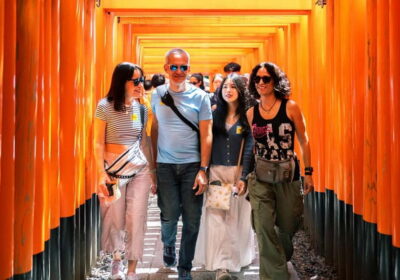
From Kyoto/Osaka: Kyoto Top Highlights 1-Day Guided Bus Tour
Read our review →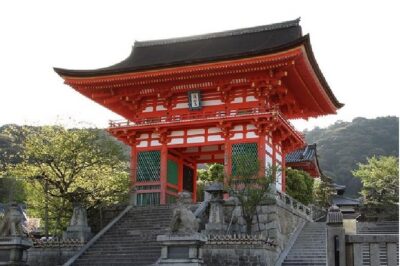
Kyoto Customized Private Tour: See Top Attractions in 1 Day
Read our review →Browse the lists this tour appears in