REVIEW · FULL-DAY
Full-Day Kyoto Group Tour with an Expert Local Guide
Kyoto’s best-known sights are scattered across the city, and this tour links them into one busy, well-planned day. I like the mix of famous places and everyday Kyoto streets, and I like that a local guide can help you understand what you are seeing instead of leaving you to guess.
The small group, capped at 10 people, should make it easier to ask questions. The main trade-off is time: six hours covers a lot of ground, so you will see the highlights rather than explore each temple at a slow pace.
In This Review
- Key points at a glance
- Why this route works for a first look at Kyoto
- Starting at Fushimi Inari’s red gates
- Kiyomizu-dera and the Higashiyama streets
- Gion and Yasaka Shrine
- Pontocho after the shrine
- Finishing at Sanjo Shopping Street
- The guide makes the biggest difference
- Time, walking, and extra costs
- Who should book this Kyoto tour?
- Booking advice and cancellation terms
- Should you book the Full-Day Kyoto Group Tour?
- FAQ
- How long does the Kyoto group tour last?
- Where does the tour begin?
- Where does the tour end?
- What sights are included?
- Is the Kiyomizu-dera entrance fee included?
- Are transportation and lunch included?
- How many people can join the tour?
Key points at a glance
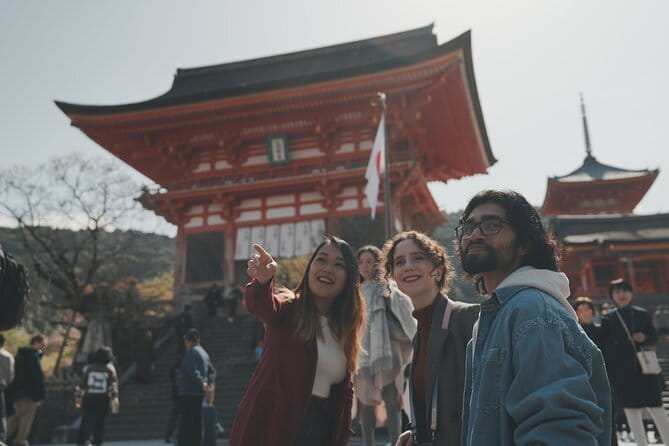
- Seven Kyoto stops in six hours: Visit Fushimi Inari, Kiyomizu-dera, Higashiyama, Gion, Yasaka Shrine, Pontocho, and Sanjo Shopping Street.
- A compact group of up to 10: The format allows more conversation than a large coach tour.
- Useful help beyond sightseeing: Paren and Rianne can offer practical guidance on train tickets and station platforms.
- Temple entry and transport cost extra: Budget about $3 for Kiyomizu-dera and $5 for public transportation, plus lunch.
- A strong first-day option: The route gives you a broad introduction to Kyoto’s sacred sites, old streets, food areas, and shopping.
- Flexible cancellation terms: You can receive a full refund if you cancel at least 24 hours before the start time, subject to the stated weather and minimum-group conditions.
Why this route works for a first look at Kyoto
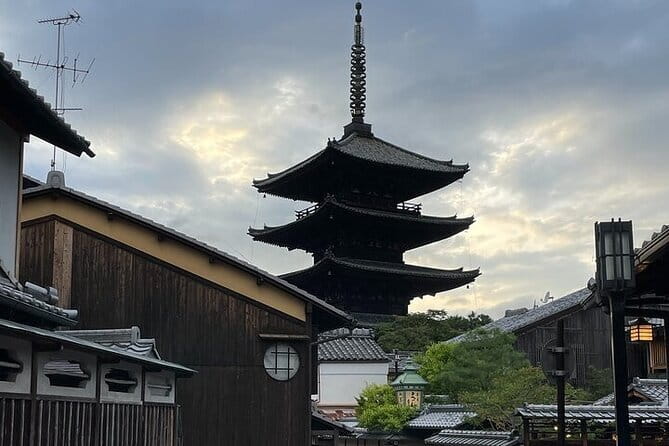
Kyoto can be confusing at first. Its major sights sit in different districts, buses and trains serve different parts of the city, and the most attractive streets are often tucked behind ordinary-looking roads. This tour gives you a framework for the city in one outing, beginning near Kyoto Station at 10:00 a.m. and ending at Sanjo Shopping Street.
I like the way the day moves from a major shrine to a famous temple, then through old neighborhoods and evening districts. You are not spending six hours inside temples. You are also not spending the whole day on transport. The route gives you a taste of several sides of Kyoto.
The price is $74.93 per person. Add the $3 Kiyomizu-dera entrance fee and about $5 for public transportation, and your known costs come to roughly $82.93 before lunch. That is a reasonable price if you want a guide, route planning, and local context, though it is not the cheapest way to visit these places on your own.
The tour requires at least three participants. If that number is not reached, the arrangement may become more private after an extra person fee is paid. Ask about the final group setup if this matters to your budget.
A few more Kyoto experiences worth comparing
- 5 Top Highlights of Kyoto Full Day Bike Tour (E-bike option)
★ 5.0 · 511 reviews - Full Day Biking Tour Exploring the Best of Kyoto
★ 5.0 · 498 reviews - Kyoto Private Car Tour – Full Day with Local Guide & Nara Option
★ 5.0 · 169 reviews
Starting at Fushimi Inari’s red gates
The meeting point is the Lawson Kyoto Station Front Store, at 843-2 Higashishiokōjichō. Starting here is practical if you are staying near the station, though you should allow time to find the exact convenience store and meet the guide before 10:00 a.m.
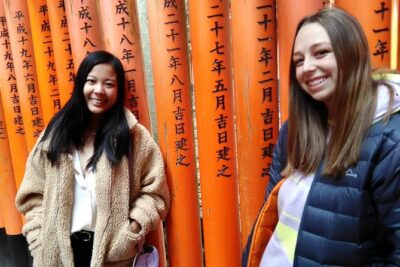
Fushimi Inari-taisha is best known for its long rows of vermilion torii gates. The gates climb through wooded slopes and create one of Kyoto’s most recognizable views. Many people walk only far enough to take photographs, but the shrine has more to offer than a quick photo stop.
You will have about one hour here. A guide can explain the shrine’s place in Shinto practice and point out details that are easy to miss when you are focused on the gates. The tour description also promises stories connected to Japan’s past, which gives this opening stop more weight than a simple walk through a photogenic tunnel.
Admission is free, which helps keep the added cost down. Still, this is an active walking start, and the route may feel demanding if you expected a gentle morning stroll. Wear shoes you can use comfortably on uneven paths and steps.
Kiyomizu-dera and the Higashiyama streets
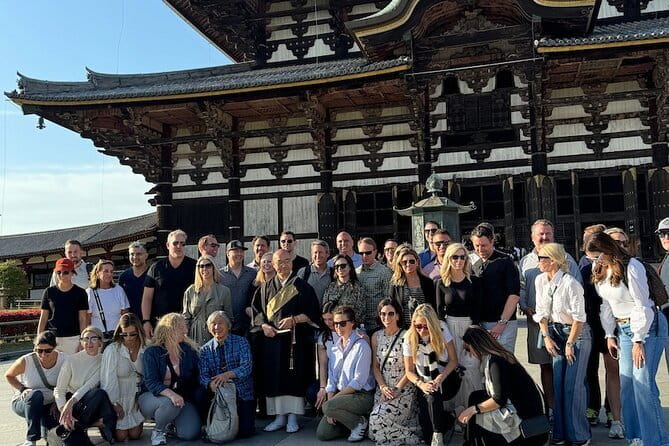
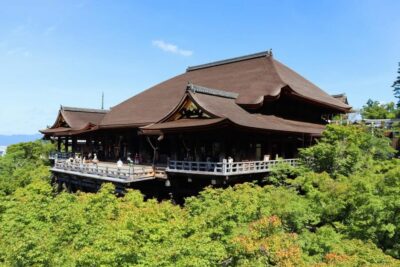
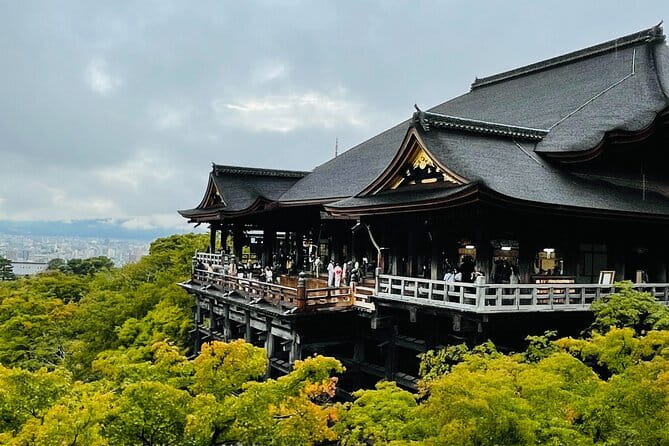
The next major stop is Kiyomizu-dera, one of Kyoto’s most important Buddhist temples and a World Heritage Site. You get about an hour to see the grounds and the temple’s broad wooden balcony, known for its sweeping view over Kyoto.
The temple entrance is not included. It costs $3 per person, a small but important detail to remember because the tour price can look all-inclusive at first glance. Keep some money ready so the group does not lose time at the entrance.
Kiyomizu-dera is a place where a guide adds useful value. The temple complex contains more than the famous balcony, and a guide can help you understand how the buildings and religious spaces fit together. I would not expect a long private lecture, since the whole tour has several stops, but you should gain a clearer sense of what deserves your attention.
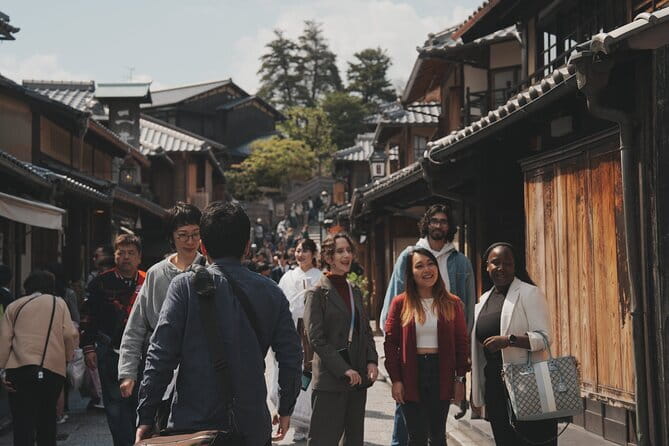
After the temple, you walk through Sannenzaka and Ninenzaka. These gently sloping streets are lined with preserved wooden buildings, small shops, and places selling food and local goods. Their traditional appearance makes them some of Kyoto’s most enjoyable streets for a short walk.
You have about 30 minutes in this area. That is enough to appreciate the setting and get your bearings, but it is not enough for a relaxed shopping session. If you see something you want to buy, you may need to decide quickly or return later on your own.
Gion and Yasaka Shrine
The route continues into Gion, Kyoto’s famous geisha district. Its wooden machiya houses and traditional tea houses give the neighborhood a distinctive old Kyoto feel, especially when you move away from the broadest commercial streets.
You have about an hour in Gion. This is one of the better places to listen to your guide because the district has customs and social rules that are not always obvious. Treat the area as a living neighborhood, not a stage set. Follow local signs and avoid photographing people without permission.
Gion is also a good stop for understanding how Kyoto balances tourism with tradition. You may find polished storefronts beside quiet lanes, and the contrast is part of the area’s character. The tour gives you context, but it cannot guarantee sightings of geiko or maiko, so book this for the streets and cultural setting rather than for a particular encounter.
Yasaka Shrine follows with a 30-minute visit. Also known as Gion Shrine, it is marked by bright vermilion gates and serves as the center of Kyoto’s annual Gion Matsuri festival. The shrine offers a different religious setting from Fushimi Inari and Kiyomizu-dera, making the three-site sequence useful for comparison.
Because admission is free, you can focus on the atmosphere and architecture without another ticket. Thirty minutes is enough for an introduction, though you will not have time to wander every corner of the grounds.
A completely different side of Kyoto:
- PERFECT KYOTO 1-Day Bus Tour
★ 5.0 · 13,518 reviews - Kyoto: Fushimi Inari, Kinkakuji, Bamboo Grove 1 Day Bus Tour
★ 4.8 · 4,316 reviews - Kyoto: Tea Ceremony in a Traditional Tea House in Kiyomizu
★ 4.9 · 3,519 reviews - Kyoto Geisha Walking Tour: Gion District & Hidden Gems
★ 4.7 · 3,273 reviews
Pontocho after the shrine
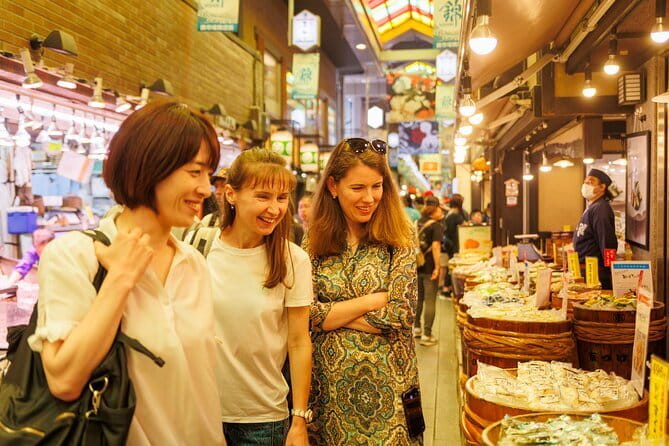
Pontocho is a narrow alley beside the Kamogawa River. It is known for traditional buildings, tea houses, and restaurants, and it has a very different mood from the temple grounds earlier in the day.
The scheduled visit lasts about 30 minutes. That is enough to walk through and see where Kyoto’s dining culture gathers, but many restaurants are best appreciated at dinner rather than during a daytime tour. Lunch is not included, so this part of the route may help you decide where to eat later.
The tour’s location-based approach is useful here. Instead of treating Kyoto as a collection of isolated temples, it shows how sacred sites, shopping streets, historic neighborhoods, and nightlife areas sit within the same city. I find that kind of contrast helpful when choosing where to return in the evening.
Do not expect a full food tour. The experience includes a walking tour and an English-speaking guide, not meals or restaurant reservations. One previous outing with Paren and Rianne included okonomiyaki for lunch, but lunch is not part of the listed inclusions, so you should plan and pay for your own meal.
Finishing at Sanjo Shopping Street
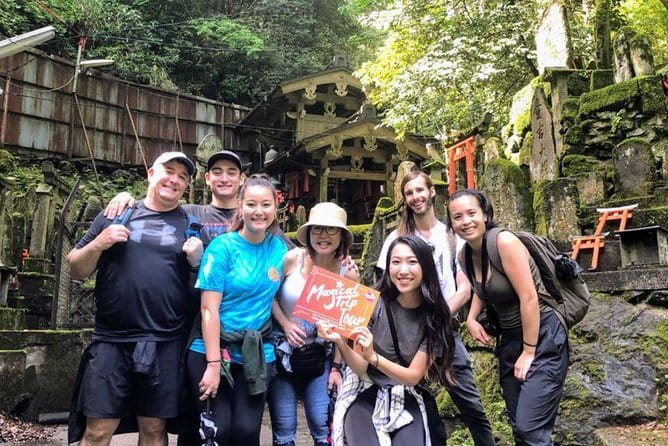
The final stop is Kyoto Sanjo Shopping Street, a covered arcade in central Kyoto. It mixes ordinary shopping with traditional crafts, vintage clothing, and local stores, offering a more day-to-day view of the city than the major temple sites.
You have about 30 minutes here, and the tour ends at 1-1 Imashinzaikenishichō. Ending in a shopping district is convenient if you want to continue exploring central Kyoto, find a meal, or browse shops without having to return to Kyoto Station.
This final stop also gives the day a practical finish. After visiting sacred places and historic lanes, you get a chance to see how residents shop and move through the city. The short time means you will probably want to return later if you find a store worth a closer look.
The guide makes the biggest difference
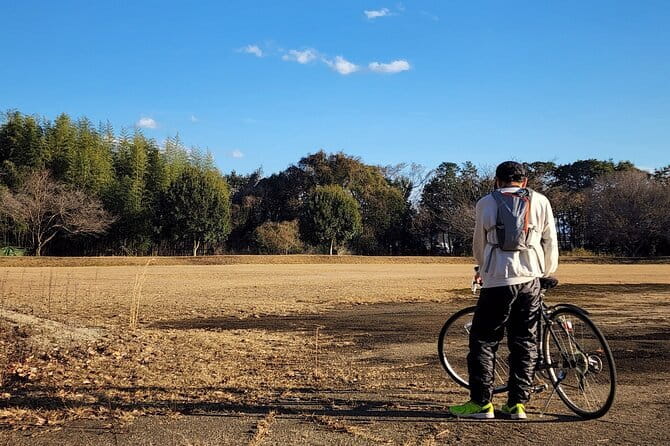
The value of this experience depends heavily on the guide. You are paying not only for a route but also for explanations, pacing, and help with the small problems that can make a first day in Kyoto tiring.
Paren and Rianne are associated with an outing that included local-style food, advice on buying train tickets, and help identifying station platforms. Those practical skills matter. Kyoto’s transport system is manageable, but station signs and platform changes can slow you down when you are unfamiliar with Japan.
The English-speaking guide is also there to connect the sights. Fushimi Inari, Kiyomizu-dera, Gion, Yasaka Shrine, Pontocho, and Sanjo Shopping Street can otherwise feel like separate points on a map. The guide helps explain why each place matters and how the parts fit together.
The group maximum is 10 people. That is small enough for questions and conversation, but it is not a private tour. If you prefer to set your own pace, stop for long photographs, or spend an hour shopping, an independent visit may suit you better.
Time, walking, and extra costs
The advertised duration is about six hours, from a 10:00 a.m. start. Seven stops in that time call for a steady pace. You should expect regular walking, time on your feet, and movement between districts by public transportation.
Public transportation costs about $5 per person and is not included. The exact route and vehicle type are not specified, so keep the amount available and follow the guide’s instructions. Having a rechargeable transit card or suitable payment method may be useful, but the tour information does not confirm which system you will use.
Lunch is also your responsibility. The schedule places the tour across the middle of the day, and there may be a meal break or food opportunity, but do not assume a meal is supplied. Budget separately and tell the guide about any food needs when appropriate.
The mobile ticket is convenient. You can keep the booking confirmation on your phone, and confirmation is received at the time of booking. Service animals are allowed, the tour is near public transportation, and most people can participate, although the amount of walking may not suit everyone.
Who should book this Kyoto tour?
I would choose this tour for a first visit, especially if you have limited time and want an organized introduction to Kyoto. It works well if you want famous sights, traditional streets, and practical advice in one day without building the route yourself.
It also suits solo visitors and couples who enjoy meeting a few other people. A maximum of 10 gives the day a social feel without the scale of a large bus group.
Families and older visitors should consider the walking pace, steps, slopes, and public transportation. The information says most people can participate, but it does not promise a fully step-free route or a private vehicle.
I would be less likely to recommend it to someone spending a week in Kyoto and already comfortable with local transport. That person may get better value by visiting fewer sites at a slower pace. I would also choose a different format if your main goal is shopping, food, or an in-depth visit to one temple.
Booking advice and cancellation terms
This experience is often booked about 54 days ahead, so reserve early if your dates are fixed. The tour has free cancellation up to 24 hours before the start time. Cancellations or changes made within 24 hours are not refunded or accepted under the stated policy.
The tour depends on good weather and a minimum number of participants. If poor weather cancels the outing, you will be offered another date or a full refund. If the minimum group is not reached, you will be offered another date or experience, or a full refund.
Should you book the Full-Day Kyoto Group Tour?
Book it if you want a broad first look at Kyoto with a local guide, especially if train tickets, station platforms, and city planning feel stressful. The combination of Fushimi Inari, Kiyomizu-dera, Gion, and central shopping districts gives you a useful introduction for $74.93, before the modest temple and transport fees.
Skip it if you want slow temple visits, long shopping stops, or complete control over your schedule. Six hours is enough to sample Kyoto, not master it. For many first-time visitors, that is exactly the point: you finish with a sense of the city and a better idea of where to return on your own.
FAQ
How long does the Kyoto group tour last?
The tour lasts approximately six hours and starts at 10:00 a.m.
Where does the tour begin?
It begins at the Lawson Kyoto Station Front Store, located at 843-2 Higashishiokōjichō, Shimogyo Ward, Kyoto, 600-8216, Japan.
Where does the tour end?
The tour ends at Kyoto Sanjo Shopping Street, at 1-1 Imashinzaikenishichō, Nakagyo Ward, Kyoto, 604-8801, Japan.
What sights are included?
The route includes Fushimi Inari-taisha Shrine, Kiyomizu-dera Temple, Sannenzaka and Ninenzaka, Gion, Yasaka Shrine, Pontocho District, and Kyoto Sanjo Shopping Street.
Is the Kiyomizu-dera entrance fee included?
No. The entrance fee is listed as $3 per person and must be paid separately.
Are transportation and lunch included?
No. Public transportation costs about $5 per person, and lunch is not included.
How many people can join the tour?
The group can have a maximum of 10 travelers. The tour requires at least three participants in total.
Recently added around Kyoto
- Higashiyama | Kyoto: Sakura Season Private Rickshaw Tour★ 5.0 · 3 reviews
- Kyoto Kimono Rental CHAMATSU|Kimono/Yukata Rental FamilyPlan★ 5.0 · 3 reviews
- Kyoto: Half-Day Private Guided Tour to the Old Town of Gion★ 4.4 · 3 reviews
- Nara Private Customizable Half Day Tour★ 5.0 · 3 reviews
- Kansai Region Hiking Adventure in Nara Kobe Kyoto and More★ 5.0 · 3 reviews
- Full Day Nara Deer, Temple, Shrine, Activities & Tea Ceremony★ 5.0 · 3 reviews
- Nara: Essential Private Tour with Deer Park and Temples★ 5.0 · 3 reviews
- Hiking Tour for Sacred Sites in Kyoto with a Guide★ 5.0 · 3 reviews
Full-Day, compared.

5 Top Highlights of Kyoto Full Day Bike Tour (E-bike option)
Read our review →
Full Day Biking Tour Exploring the Best of Kyoto
Read our review →
Kyoto Private Car Tour – Full Day with Local Guide & Nara Option
Read our review →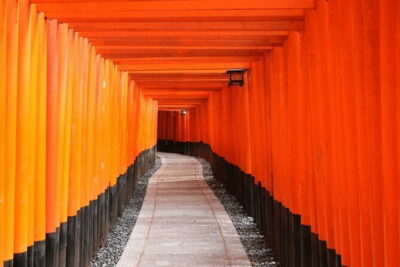
Full Day Tour of Kyoto with Private Transportation
Read our review →
Full Day Hiroshima and Miyajima Tour by Bullet Train from Kyoto
Read our review →