
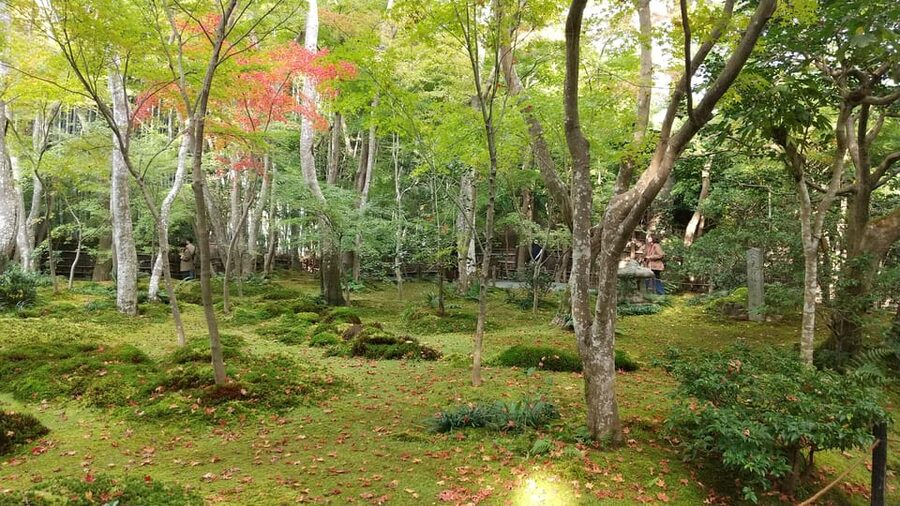
REVIEW · ARASHIYAMA BAMBOO GROVE TOURS
Kyoto:Quiet Arashiyama and Sagano Temples
Arashiyama is famous for its bamboo, but its most affecting corners are the small temples where sorrow, faith, and ordinary lives still feel close at hand. This private walk with English-speaking guide Masa takes you beyond the usual photo stops and into Sagano’s quieter lanes.
I like the personal scale of the tour, and I like that temple entry fees are included. Masa can also demonstrate prayer and meditation customs, giving you something to do and consider, not just something to photograph. The main drawback is pace: there is a lot to cover in roughly three hours, so you may wish for more time at each stop.
In This Review
- Key points to know before you book
- Why this Arashiyama walk feels different
- Meeting Masa at JR Saga-Arashiyama
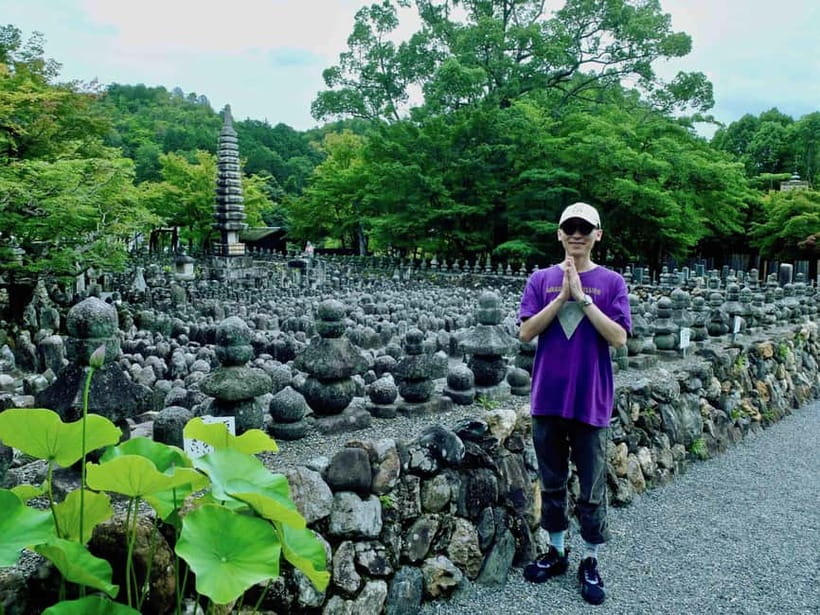
- Adashino Nenbutsuji and the stones of the dead
- Saga Toriimoto, where old Kyoto continues along the road
- Giouji and a story of four women
- The bamboo grove, beautiful but not always quiet
- Tenryuji closes the route with scale and prestige
- What Masa adds to the experience
- Who should book this three-hour tour
- Should you book it?
- FAQ
- Where does the tour start?
- How long does the tour last?
- Which temples are visited?
- Is temple admission included?
- Who leads the tour?
- What should I bring?
Key points to know before you book
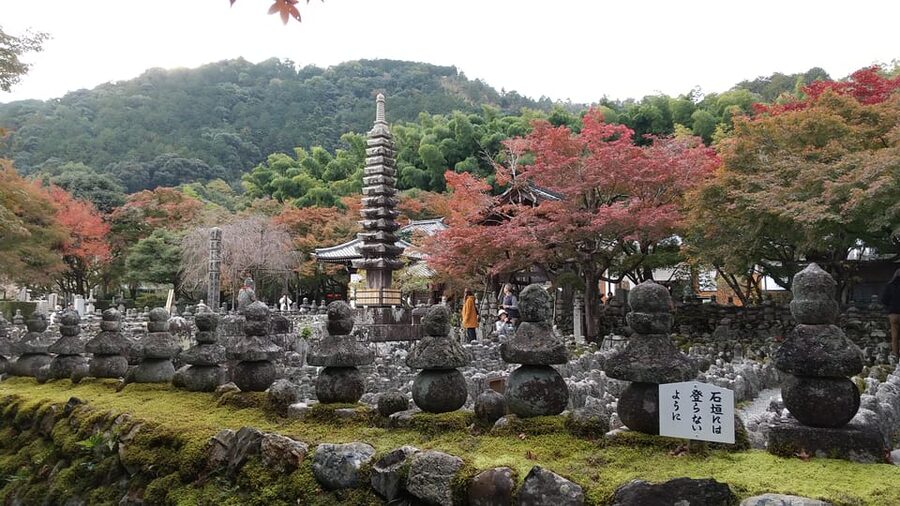
- Adashino Nenbutsuji tells a serious story: Thousands of stone figures honor people who died without family prayers.
- Giouji adds a human drama: This small temple recalls Giou, her rival Butsugozen, and the women who became Buddhist nuns together.
- Masa makes the visit personal: His local knowledge includes prayer practices, meditation customs, and artisan shops you might otherwise miss.
- The route mixes famous and quiet sights: You see the bamboo grove and Tenryuji, but also old Saga Toriimoto and less crowded temple grounds.
- The price includes temple admission: At $38 per person, the tour offers useful value if you want context rather than a self-guided photo walk.
- Expect real walking: Comfortable shoes, water, sun protection, and an early arrival at JR Saga-Arashiyama are essential.
Why this Arashiyama walk feels different
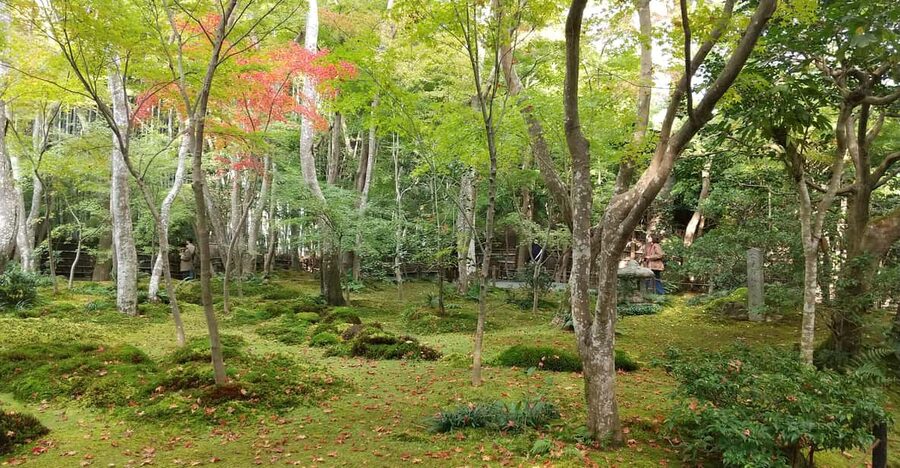
Arashiyama can be one of Kyoto’s busiest sightseeing districts. The bamboo grove draws a steady stream of people, and the main roads near the river can feel more like a visitor corridor than a quiet retreat.
This tour shifts the emphasis. You still see the bamboo and Tenryuji, but the route spends time in Sagano, where old homes, temple paths, and wooded lanes create a slower mood. I like that balance. You get the famous Kyoto sights, but they are framed by stories about people who lived, suffered, prayed, and died here.
The guide is Masa, an English-speaking local guide who meets you at JR Saga-Arashiyama Station. He leads a private group rather than folding you into a large bus tour. That matters in a small temple, where a flexible pace and the chance to ask questions can make the visit far more useful.
The tour is priced at $38 per person. That is a reasonable amount for a private, guided walk that includes admission to all temples visited. You are paying less for transportation and more for interpretation, access, and a route that would be easy to miss if you simply followed the busiest signs.
More of Arashiyama and the bamboo grove:
- Kyoto: Fushimi Inari, Kinkakuji, Bamboo Grove 1 Day Bus Tour
★ 4.8 · 4,316 reviews - Kyoto/Osaka: Nara, Fushimi Inari Taisha, Arashiyama Bus Tour
★ 4.7 · 1,275 reviews - Kyoto Arashiyama Walking Tour: Bamboo, Monkeys, Gardens & Secrets
★ 5.0 · 1,216 reviews
Meeting Masa at JR Saga-Arashiyama
Start at JR Saga-Arashiyama Station, not Hankyu Arashiyama Station or Randen Arashiyama Station. This distinction is important because Kyoto has several stations with Arashiyama in the name, and they are not interchangeable.
Masa waits in the plaza just outside the ticket gates with a sign bearing your name. Arrive about 15 minutes early. That gives you time to find the correct station exit and begin without cutting into the walking time.
You are responsible for reaching the meeting point. Transportation to and from the station, food, drinks, and personal purchases are not included. Since this is a walking tour, you should also bring water and dress for the forecast. A hat and sunscreen will help on exposed paths, while comfortable shoes are the real priority.
Adashino Nenbutsuji and the stones of the dead
Adashino Nenbutsuji is one of the most meaningful stops on the route. The temple dates to the Kamakura period, around the 13th century, and its name is tied to the idea of a vain or heartless field.
That name reflects the area’s grim past. The ground around Adashino was once used for bodies that had been abandoned without family members to pray for them. In Buddhist terms, these dead were muen botoke, people without relatives to remember or honor them.
The temple now contains nearly 8,000 stone Buddhist figures. They were gathered and restored after being found scattered through the area. Standing among them changes the way you see the usual Kyoto temple visit. This is not simply a pretty garden with an old building. It is a place shaped by loss and by the wish to give the forgotten a lasting place of remembrance.
Masa’s narrative approach is especially useful here. Without context, the figures can blur into a large field of weathered stone. With the story, you can understand why they were collected and why the temple remains important.
In August, the temple holds Sentou Kuyo, when thousands of candles are lit and flowers are offered. This tour does not promise that seasonal ceremony, but Masa can help you understand the practice of honoring the dead and the role it plays in the temple’s identity.
Allow about 45 minutes here. That sounds generous, but it is appropriate for a site that rewards quiet attention. You will want time to look closely at the figures, hear the story, and let the setting settle in.
Saga Toriimoto, where old Kyoto continues along the road
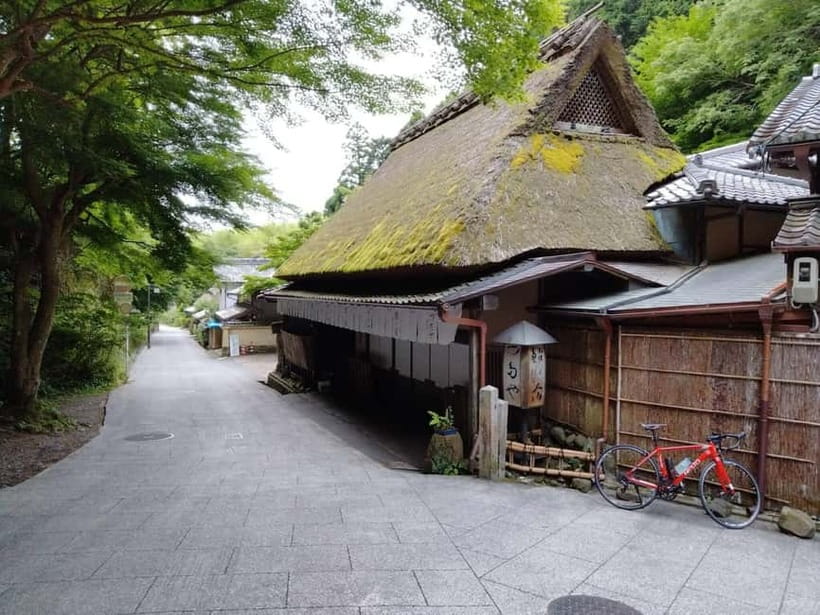
The walk from the temple area passes through Saga Toriimoto Preserved Street. This is a short section of the route, about 15 minutes, but it provides an important change of mood.
Here, traditional farmhouses and machiya townhouses appear together along the road. The old homes create a view of Kyoto outside the grand temple compounds, showing how residential life once fit into the countryside around the city.
I like this stop because it keeps the tour from becoming a string of temple gates. You see how people lived, not just where they worshipped. The preserved buildings also make the route feel connected to a real neighborhood rather than a collection of isolated attractions.
Do not expect a long architectural lecture or an extended interior visit. The plan is to pass through and take in the street, so keep your camera ready and listen as Masa explains what makes the area special.
More Kyoto temples worth a morning:
- Kyoto: Tea Ceremony Ju-An at Jotokuji Temple
★ 4.9 · 3,207 reviews - Arashiyama Bamboo, Temple, Monkeys, or Secret Sake Brewery
★ 4.8 · 886 reviews - Kyoto: Arashiyama Bamboo Forest, Monkeys, Matcha & Temple Tour
★ 5.0 · 759 reviews - Kyoto: Ninnaji Temple Entry Ticket
★ 4.2 · 650 reviews
Giouji and a story of four women
Giouji is a much smaller temple than Tenryuji, and that is part of its appeal. Its quiet scale suits the story attached to it.
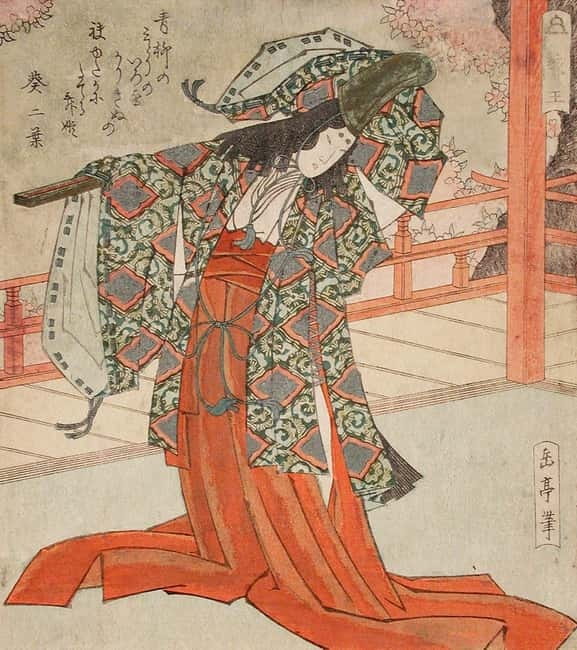
The temple was built in the 12th century during the Heian period. Giou was a dancer who won the favor of Taira no Kiyomori, a powerful military leader of the time. When Kiyomori’s attention shifted to another woman, Butsugozen, Giou was cast aside.
Giou eventually became a nun and lived at the small retreat known as Giou-an with her sister and mother. The story takes another turn when Butsugozen also fell from Kiyomori’s favor, became a nun, and joined them there. The former rivals lived together with the other women and practiced Buddhism.
It is a striking story because it places women, rather than rulers or warriors, at the center of the temple’s memory. The small house and quiet grounds give the tale a physical setting. You can consider how status, affection, and security could vanish quickly in the old courtly world.
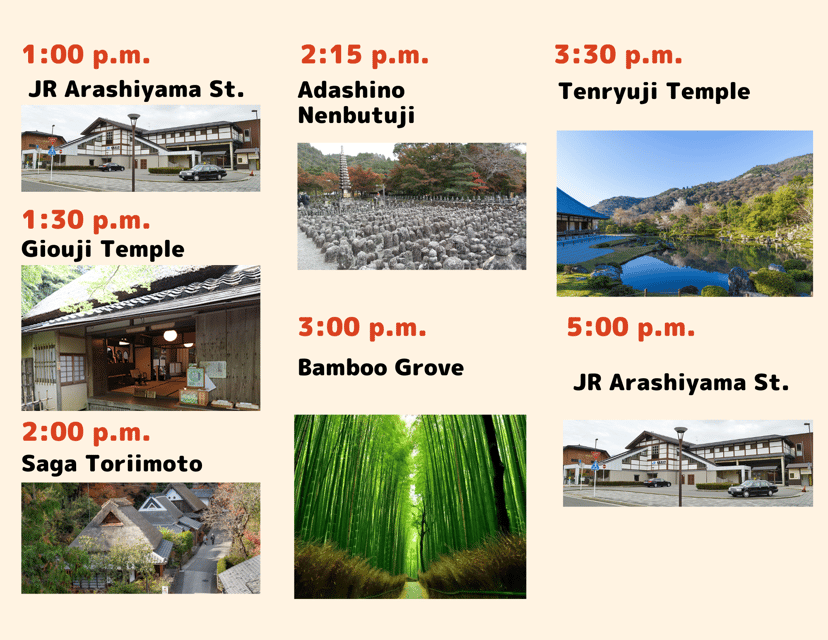
The supplied timing gives this visit about 30 minutes. That should be enough to hear the account and experience the atmosphere, though it also explains the earlier warning about pace. If you prefer to sit quietly and study every garden detail, you may find the schedule brisk.
The bamboo grove, beautiful but not always quiet
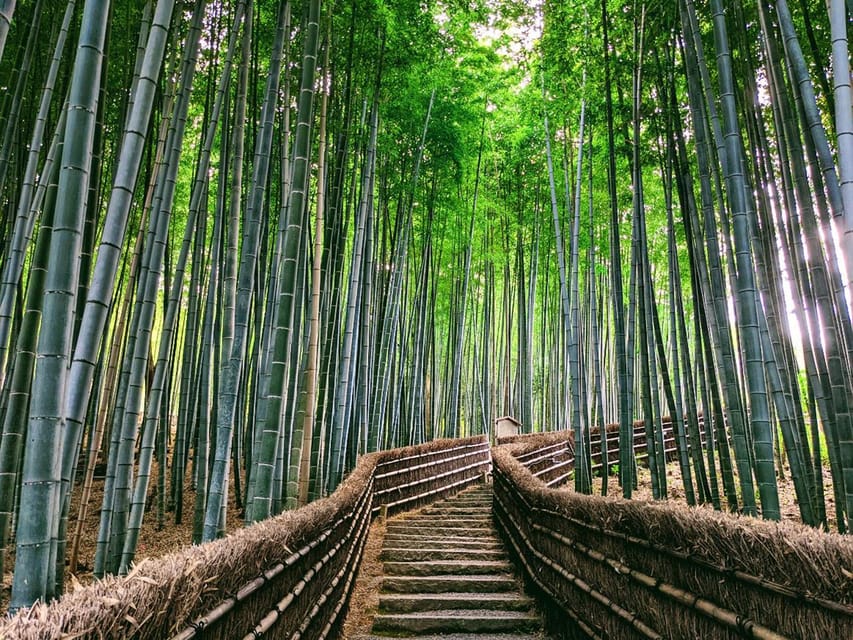
The Sagano Bamboo Grove is the route’s best-known photo stop. Tall bamboo frames the path, turning an ordinary walk into one of Kyoto’s most recognizable scenes.
The tour treats it as a scenic section of the walk rather than the whole point of the day. That is sensible. The grove is lovely, but its fame can bring crowds, and a quick passage through it may be more realistic than expecting complete silence.
You will spend about 30 minutes in this area. Use the time to look upward, notice the changing light, and enjoy the contrast with the more serious temple stories. I would not book this tour solely for an empty bamboo photograph. Book it if you want the grove placed within a wider visit to Sagano’s temples and old streets.
Tenryuji closes the route with scale and prestige
Tenryuji provides a grand finish after the intimate atmosphere of Giouji and Adashino Nenbutsuji. The temple is one of Arashiyama’s major religious sites, and its grounds give the tour a broader sense of Kyoto’s spiritual and artistic tradition.
You are scheduled to spend about 1.5 hours here, including a guided visit. That is the longest stop, which makes sense. Tenryuji has more to explain and more space to explore than the smaller temples.
The visit is not limited to a quick exterior look. Temple admission is included, and Masa provides narrative explanations as you move through the site. His focus is on the faith, culture, and lives connected with the temples, so you can ask questions as you go rather than trying to decode every building alone.
One practical issue is the published timing. The individual sections add up to slightly more than three hours, even though the overall duration is listed as three hours. The actual pace may vary with walking speed, questions, and conditions. If you have a train, meal, or reservation immediately afterward, leave some buffer.
The route returns to JR Saga-Arashiyama Station. That makes the tour convenient for continuing your day, but remember that the tour ends after substantial walking. You may want to plan a meal or a slower afternoon afterward.
What Masa adds to the experience
The strongest reason to choose a private guide is the chance to connect the sights. Masa does more than point out a gate and name a temple. He explains the personal stories behind the sites and helps you think about how Buddhist practice shaped daily life.
At selected temples, he can demonstrate prayer and meditation traditions and invite you to try them. This hands-on element should appeal to you if you want a respectful introduction to religious customs rather than a purely historical tour.
Masa also knows local artisan shops and can point out places you might otherwise walk past. The tour does not promise shopping time or purchases, but this local perspective adds something useful to a route that can otherwise feel heavily programmed around major attractions.
The private format gives him room to adjust. One example from the tour experience is his ability to arrange lunch when a participant arrived hungry. That does not mean lunch is included, but it suggests that the guide can respond to practical needs when the schedule allows.
One participant also found the pace a little fast and wished for more time to absorb the surroundings. I take that seriously. You will see a lot in a short period, but you should speak up if you need a slower rhythm. A private group is better suited to that request than a large scheduled tour.
Who should book this three-hour tour
I would choose this experience if you are visiting Kyoto for the first time and want Arashiyama explained rather than simply photographed. It works particularly well for anyone interested in Buddhist practice, local stories, old homes, and the human side of temple history.
It is also a good fit if you want a private group and prefer an English-speaking guide who can answer questions along the way. Families with older children may appreciate the stories of Giou and the memorial stones at Adashino Nenbutsuji, though the amount of walking may not suit every child.
You should think twice if your main goal is a slow garden visit. The route covers Adashino Nenbutsuji, Saga Toriimoto, Giouji, the bamboo grove, and Tenryuji in a tight window. The payoff is variety. The tradeoff is less unhurried time at each place.
This is not suitable for wheelchair users or people with mobility impairments. Smoking is not allowed. Wear shoes made for walking, check the weather, and bring water, sunscreen, a hat, and a camera.
Cancellation is flexible up to 24 hours before the start for a full refund, and you can reserve now and pay later. Those terms are useful if your Kyoto plans are still shifting.
Should you book it?
Book this tour if you want Arashiyama’s quiet temples placed in human context. The best parts are Adashino Nenbutsuji’s thousands of memorial stones, Giouji’s moving story of four women, the preserved homes of Saga Toriimoto, and Masa’s personal explanation of prayer and meditation customs.
At $38 per person, the combination of private guiding and included temple admission is good value. Just arrive ready to walk and accept that the schedule moves quickly. If you want the famous bamboo grove plus a thoughtful look at Sagano’s faith and past, this is a strong choice. If you want to linger at one temple for hours, visit independently instead.
FAQ
Where does the tour start?
The tour starts at JR Saga-Arashiyama Station. Meet the guide in the plaza just outside the station ticket gates. Do not go to Hankyu or Randen Arashiyama Station.
How long does the tour last?
The stated duration is three hours. The route includes several walking and sightseeing sections, so the pace is active.
Which temples are visited?
The route includes Adashino Nenbutsuji, Giouji, and Tenryuji. It also passes through Saga Toriimoto Preserved Street and the Sagano Bamboo Grove.
Is temple admission included?
Yes. Admission to all temples visited is included in the tour price.
Who leads the tour?
The English-speaking guide is Masa. The tour is arranged for a private group.
What should I bring?
Bring comfortable walking shoes, water, a hat, sunscreen, and a camera. Check the weather forecast and dress appropriately. Arrive at the meeting point 15 minutes before the start time.
Recently added around Kyoto
- Higashiyama | Kyoto: Sakura Season Private Rickshaw Tour★ 5.0 · 3 reviews
- Kyoto Kimono Rental CHAMATSU|Kimono/Yukata Rental FamilyPlan★ 5.0 · 3 reviews
- Kyoto: Half-Day Private Guided Tour to the Old Town of Gion★ 4.4 · 3 reviews
- Nara Private Customizable Half Day Tour★ 5.0 · 3 reviews
- Kansai Region Hiking Adventure in Nara Kobe Kyoto and More★ 5.0 · 3 reviews
- Full Day Nara Deer, Temple, Shrine, Activities & Tea Ceremony★ 5.0 · 3 reviews
- Nara: Essential Private Tour with Deer Park and Temples★ 5.0 · 3 reviews
- Hiking Tour for Sacred Sites in Kyoto with a Guide★ 5.0 · 3 reviews
Arashiyama Bamboo Grove Tours, compared.
Fushimi Inari, Kinkakuji, Bamboo Grove 1 Day Bus Tour
Read our review →
Kyoto/Osaka: Nara, Fushimi Inari Taisha, Arashiyama Bus Tour
Read our review →
Kyoto Arashiyama Walking Tour: Bamboo, Monkeys, Gardens & Secrets
Read our review →
Arashiyama Bamboo, Temple, Monkeys, or Secret Sake Brewery
Read our review →
Arashiyama Bamboo Forest, Monkeys, Matcha & Temple Tour
Read our review →
Nijo, Kinkaku-ji, Arashiyama, Kiyomizu & Fushimi Inari
Read our review →
Kyoto Ghost Tour: Dark Tales, Urban Legends, Bamboo Forest Night
Read our review →
Arashiyama Bamboo Forest & Hidden Gems Bike Tour (Early Bird)
Read our review →Browse the lists this tour appears in