
REVIEW · KYOTO GARDEN TOURS
Kyoto Japanese Garden Lover’s Private Tour with Government-Licensed Guide
Kyoto’s best gardens are not all alike. One may use clipped trees and reflecting water, another bare rock and pale gravel, and another moss, maple, and silence. This private tour lets you choose three or four sites, then puts a government-licensed guide beside you to explain the symbols, history, and design choices that are easy to miss.
I like the freedom to shape the day around your interests, and I like the chance to go beyond the usual Golden Pavilion. Guides Kaeko and Shun have shown real flexibility, including a late change of plan and several itinerary changes during the day. The main catch is that transport, admission, lunch, and personal costs are extra, so the $153.11 per-person price is not the full day’s expense.
In This Review
- Key points to know before booking
- Why a private Kyoto garden day can be worthwhile
- Your six hours and the real cost
- The famous temples: Kinkakuji, Ginkakuji, and Ryoanji
- Quieter Zen grounds: Honen-in, Nanzenji, Tofukuji, and Kennin-ji
- Temple compounds and specialist gardens: Taizo-in and Daitoku-ji
- Imperial design at Kyoto Palace, Shugakuin, and Katsura
- Arashiyama: bridge, bamboo, Okochi Sanso, and Gio-ji
- Byodoin and Kyoto Botanical Garden
- What the guides add
- Who should book this garden tour?
- Should you book it?
- FAQ
- How long does the Kyoto garden tour last?
- How many places can I visit?
- Can I choose the gardens and sights?
- Is transportation included?
- Are entrance tickets included?
- Is the tour private?
- Can I cancel for a refund?
Key points to know before booking
- Choose three or four sites: Build your day from 18 choices, ranging from Zen temple gardens to imperial villas and Uji’s Byodoin Temple.
- A private guide makes the difference: Only your group participates, so the day can respond to your pace and interests.
- Kaeko and Shun are named guide options: Both have received especially warm praise for flexibility, humor, and careful attention.
- Six hours goes quickly: The stops are spread across Kyoto, and transport time can reduce time in the gardens.
- This is not a private-car tour: Pickup means meeting the guide on foot within a designated Kyoto area. You pay transportation fees separately.
- Admission is usually extra: Togetsukyo Bridge and Bamboo Forest Street are free, but most listed temple and garden entries are not.
Why a private Kyoto garden day can be worthwhile
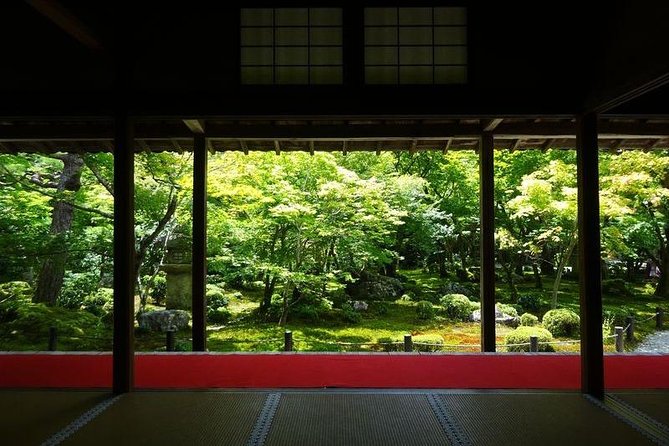
Kyoto gardens reward an explanation. At Ryoanji, you might first see only fifteen rocks set in pale gravel. A guide can give you the cultural setting and invite you to look at how the garden controls your attention. At Honen-in, the moss-covered gate and quiet approach make sense before you even reach the main grounds.
This is the strongest reason to choose a private tour instead of simply stringing temples together on your own. You are not just checking off famous names. You are comparing different ideas of beauty: the formal pond garden at Kinkakuji, the more restrained style at Ginkakuji, the dry Zen gardens at Kennin-ji, and the mossy woodland feel around Gio-ji.
The format is also useful for repeat visitors. If you have already seen the Golden Pavilion, you can ask for Tofukuji, Daitoku-ji, Taizo-in, and Kyoto Botanical Garden instead. If this is your first Kyoto visit, you can pair one famous temple with quieter places that show a less crowded side of the city.
The guide is licensed by Japan’s government as a Guide Interpreter. That certification requires knowledge of Japanese culture and history, which matters on a garden-focused day. The tour provider names Kaeko and Shun among its guides, and the available feedback gives both particular credit for being easy to spend a full day with and willing to alter plans.
More Kyoto gardens:
- Kyoto Arashiyama Walking Tour: Bamboo, Monkeys, Gardens & Secrets
★ 5.0 · 1,216 reviews - Kyoto Zen Meditation & Garden Tour at a Zen Temple with Lunch
★ 5.0 · 441 reviews - Kyoto Arashiyama Bamboo forest & Garden Half-Day Walking Tour
★ 5.0 · 413 reviews
Your six hours and the real cost
The advertised price is $153.11 per person. For a private six-hour experience, that can be fair value if your group wants interpretation and a flexible plan. It becomes less attractive if you are mainly seeking transportation, since no private vehicle is provided.
You must budget separately for buses, trains, taxis, entrance tickets, lunch, and other personal expenses. Most temple and garden stops list admission as not included. The free exceptions in the proposed choices are Togetsukyo Bridge and Bamboo Forest Street, though nearby attractions may still charge entry.
The tour includes a licensed local English-speaking guide and a walking itinerary for three or four selected sites. That last point is important: the long list of 18 stops is a menu, not a promise that you will see all 18. It is impossible to give each site proper attention in six hours, especially when several lie in different parts of Kyoto.
The tour is private, so only your group takes part. That gives you more control over pauses, questions, and substitutions. A late request to change locations was accommodated for one party, and another group changed its plan several times during the day. You should still confirm major changes with the guide, particularly if a site requires special access or a fixed entry arrangement.
The famous temples: Kinkakuji, Ginkakuji, and Ryoanji
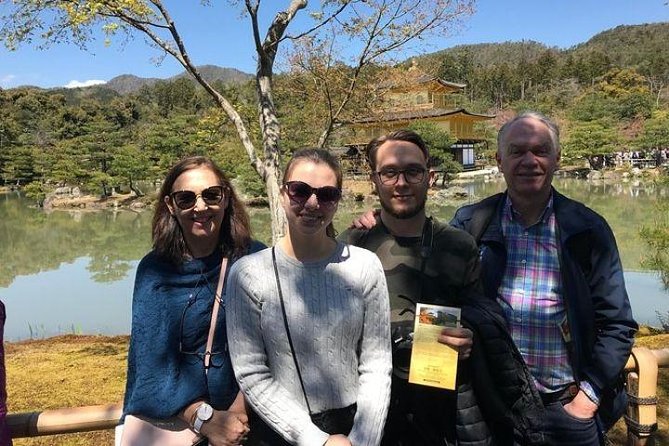
Kinkakuji, the Golden Pavilion, is the obvious visual showpiece. The upper two floors are covered in gold leaf, and the pavilion sits beside a pond in a garden setting. The attraction is highly recognizable, but the short listed visit time of 20 minutes makes it more of a focused stop than a slow study.
Pairing Kinkakuji with Ginkakuji, the Silver Pavilion, creates a useful contrast. Ginkakuji began as the retirement villa of shogun Ashikaga Yoshimasa in 1482 and was modeled after Kinkakuji. Despite its name, the pavilion is not covered in silver. Its appeal comes from a quieter, more restrained garden style and its position along Kyoto’s eastern mountains.
Ryoanji holds Japan’s most famous rock garden. It was once an aristocratic villa before becoming a Zen temple, and its dry garden is designed for close looking rather than a quick photograph. If you choose it, ask your guide how the arrangement, gravel, and surrounding wall shape the view.
These three sites make a strong first-time selection, but they are not a compact set. Kinkakuji and Ryoanji are in northwest Kyoto, while Ginkakuji is on the eastern side. Your route and transport choices will matter.
Quieter Zen grounds: Honen-in, Nanzenji, Tofukuji, and Kennin-ji
Honen-in begins before the main garden. Its approach leads to a moss-covered gate, then between two sand mounds inside. The setting is especially appealing if you want atmosphere and a sense of arrival rather than a grand architectural centerpiece.
At Nanzenji, the grounds are spacious and sit at the foot of the forested Higashiyama mountains. The Suirokaku aqueduct is a memorable feature, combining temple grounds with a brick waterway. A 20-minute stop gives you a taste of the setting, though you will want more time if you hope to explore the wider temple compound.
Tofukuji is particularly famous for autumn color and is one of southeastern Kyoto’s major Zen temples. Its garden appeal changes with the season, so ask the guide which part of the grounds best fits your visit. The temple was founded in 1236 at the request of the powerful Fujiwara family.
Kennin-ji is close to Hanamikoji and Shijo streets, yet its grounds offer a calmer place to walk. It has two dry gardens and works well if you want to combine garden design with central Kyoto. The itinerary lists only one minute here, clearly a data inconsistency, so confirm the intended visit length before booking this stop.
A few more Kyoto experiences worth comparing
- Fushimi Inari Hidden Hiking Tour (Private Option Available)
★ 5.0 · 1,750 reviews - Private Kyoto Tour with a Local, Highlights & Hidden Gems, Personalised
★ 5.0 · 1,543 reviews - Kyoto 6hr Private Tour with Government-Licensed Guide
★ 5.0 · 1,369 reviews - 10 Must-see Spots in Kyoto One Day Private Tour (up to 7 people)
★ 5.0 · 1,108 reviews
Temple compounds and specialist gardens: Taizo-in and Daitoku-ji
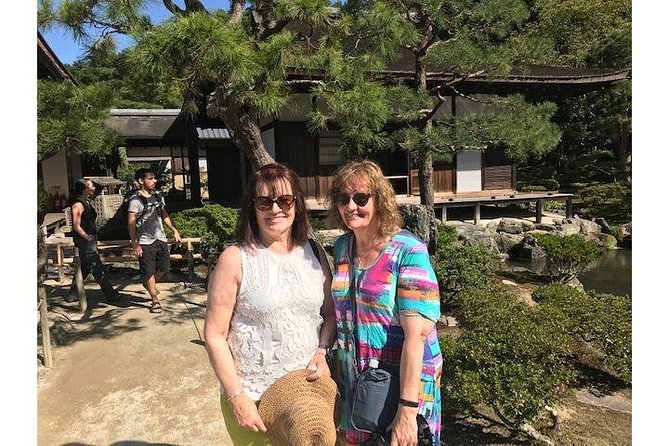
Taizo-in is one of the subtemples of Myoshin-ji and is known for a garden recommended in every season. Its smaller scale can make it more rewarding than a famous site where you spend most of your time moving with the crowd.
One particularly useful detail comes from a day with guide Kaeko. The group reached Taizo-in before another group arrived and had the traditional garden to themselves for a short period. This points to a practical advantage of a private itinerary: the guide may help you time a quieter stop, although no guide can guarantee empty grounds.
Daitoku-ji is a large Zen complex made up of temples within the wider temple compound. Its gardens carry different moods and design ideas, so it is a good choice if you want to spend the day studying Zen spaces rather than seeing only headline attractions.
These sites can suit a second Kyoto visit, garden enthusiasts, or anyone who prefers understated places. Confirm which subtemples are included and open on your date, since the broad complex contains separate spaces.
Imperial design at Kyoto Palace, Shugakuin, and Katsura
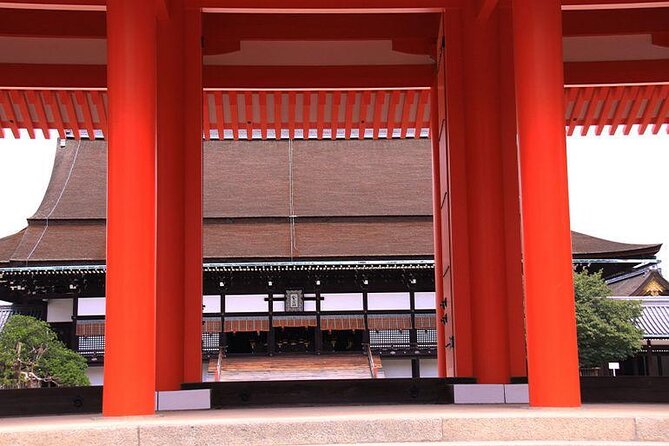
The Kyoto Imperial Palace was the residence of Japan’s Imperial Family until 1868, when the emperor and capital moved to Tokyo. Its spacious grounds offer a different experience from a compact Zen garden, with imperial scale and formal open areas.
Shugakuin Imperial Villa was built in the 17th century by Emperor Gomizuno and is managed by the Imperial Household Agency. It includes Upper, Middle, and Lower Villas. This is an excellent choice if you want a carefully planned estate rather than a single temple courtyard, but ask about access arrangements before making it the centerpiece of your day.
Katsura Imperial Villa is one of Japan’s finest examples of architecture and garden design. Its present form was completed in 1645 as a residence for the imperial family. The grounds are best suited to someone who wants to study how buildings, paths, water, and views work together.
The imperial choices may require more planning than a simple temple visit. The information provided does not specify reservations or entry procedures, so you should confirm those details with the provider before booking. They also lie in different parts of Kyoto, making it unwise to combine all three in one six-hour outing.
Arashiyama: bridge, bamboo, Okochi Sanso, and Gio-ji
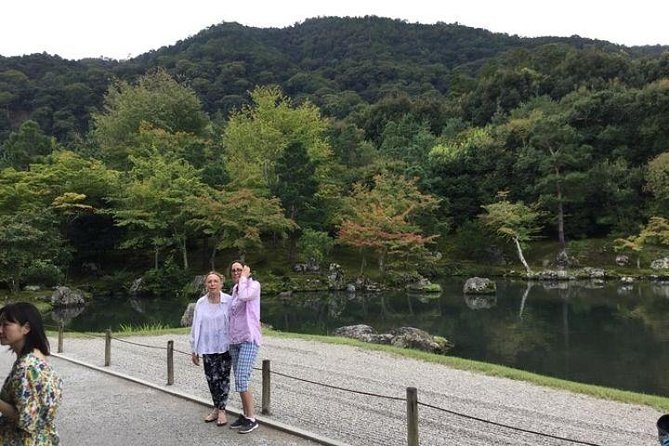
Arashiyama offers a natural pair of free stops. Togetsukyo Bridge, or Moon Crossing Bridge, is the district’s best-known landmark. It dates from the Heian Period, from 794 to 1185, and was most recently reconstructed in the 1930s.
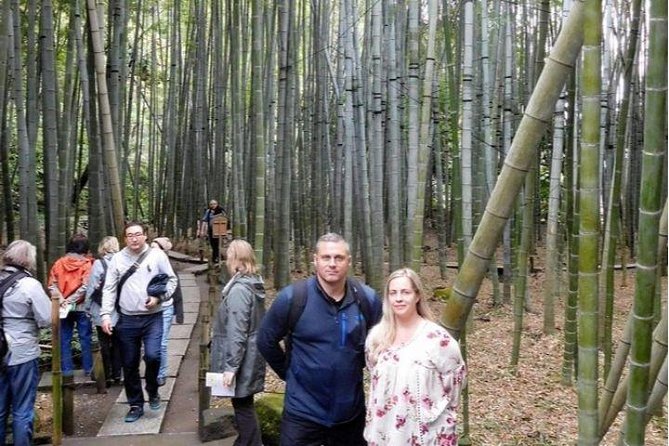
The nearby Bamboo Forest Street provides a pleasant walk through tall bamboo groves. The effect is best when a light wind moves the stalks, but the paths are still easy to combine with other Arashiyama sights. Both the bridge and bamboo street have free admission.
Okochi Sanso Garden lies behind the bamboo groves and was the former villa of actor Okochi Denjiro, who lived from 1896 to 1962. The site includes several gardens and buildings, with 30 minutes listed for the visit. It adds a more personal villa setting to an Arashiyama plan.
Gio-ji is known for its moss garden, tall maple trees, thatched entrance gate, and small main hall. It is more enclosed by woodland than some nearby temples. Choose it for moss and quiet paths, not for a large compound or grand building.
An Arashiyama day is easy to understand, but the district can consume your six hours quickly. A plan built around the bridge, bamboo, Okochi Sanso, and Gio-ji gives you a coherent area, while adding Kinkakuji or an eastern Kyoto temple may leave too little time for the gardens themselves.
Byodoin and Kyoto Botanical Garden
Byodoin Temple is in Uji, outside central Kyoto, so extra travel time is expected. Its Phoenix Hall is a National Treasure of Japan and a UNESCO World Heritage Site. This is a strong choice if you want a major cultural monument, but it is not an efficient add-on to a northern or eastern Kyoto route.
Kyoto Botanical Garden is one of the city’s more affordable and often overlooked choices. It gives you a break from temple architecture and lets you focus on plants and seasonal changes. The listed visit is 30 minutes, though you should confirm whether that is enough for the areas you want to see.
These two options serve different interests. Byodoin gives you a powerful historical and architectural stop. The Botanical Garden fits someone who wants plant variety and a less temple-heavy day.
What the guides add
The guide’s main job is not simply to lead you from gate to gate. It is to help you see why a garden looks the way it does and to connect plants, rocks, water, gravel, buildings, and seasonal changes to Japanese ideas of beauty and meditation.
Kaeko is a particularly good fit if you want a responsive day. She accommodated an individual garden selection and a late location change. Shun is described as flexible, pleasant company, humorous, and willing to adjust the itinerary repeatedly. Those traits matter over six hours, especially when weather or energy changes your priorities.
One rainy-day outing included Kokedera, which is not listed among the 18 choices supplied here. The guide’s response noted its elegant atmosphere in the rain. You should not assume Kokedera is included in this tour, but the example does show why weather can change the character of Kyoto’s gardens.
The experience has a 4.6 rating from 10 reviews, with 90 percent recommending it. That is encouraging, but the small number means you should focus on the format and practical limits rather than treat the rating as a guarantee.
Who should book this garden tour?
I would choose this experience if you care more about understanding gardens than rushing through a checklist. It suits couples, families, and small groups who want a private day and are willing to pay transport and admission separately.
It is especially useful if you already know two or three must-see places. You can build a focused route around Zen gardens, Arashiyama, imperial residences, or a mix of famous and quiet sites.
I would be cautious if you want to see many districts in one day, need a private car, or expect every listed stop to be included. The six-hour schedule is best used for three or four nearby choices, not for trying to cover all 18.
Pickup is on foot within a designated Kyoto area, and the tour operates near public transportation. Most people can participate, and service animals are allowed. Free cancellation is available up to 24 hours before the start time, but late cancellations and changes are not accepted.
Should you book it?
Book this tour if you want a flexible, private garden day with a licensed guide who can explain the meaning behind Kyoto’s famous and lesser-known spaces. Ask for a route that keeps the sites geographically sensible, and decide in advance how much you can spend on entry fees and transport.
Skip it if you prefer independent wandering or a fixed sightseeing route with transportation included. For garden lovers, though, the chance to compare moss gardens, dry Zen courtyards, imperial villas, and Arashiyama scenery in one thoughtfully planned day gives the price a reasonable purpose.
FAQ
How long does the Kyoto garden tour last?
The tour lasts approximately six hours.
How many places can I visit?
The tour includes a customizable walking itinerary of three or four sites from the provided choices.
Can I choose the gardens and sights?
Yes. You select must-see places from the tour choices, and you may also request a famous Kyoto site for your itinerary.
Is transportation included?
No. Transportation fees are not included, and the tour does not provide a private vehicle. Pickup is on foot within a designated area of Kyoto.
Are entrance tickets included?
Most entrance fees are not included. Guide entry fees are covered only for sights listed under the tour choices. Togetsukyo Bridge and Bamboo Forest Street are listed as free.
Is the tour private?
Yes. Only your group participates, and separate tour groups cannot be combined.
Can I cancel for a refund?
You can cancel at least 24 hours before the experience start time for a full refund. Cancellations or changes made less than 24 hours before the start time are not accepted.
Recently added around Kyoto
- Higashiyama | Kyoto: Sakura Season Private Rickshaw Tour★ 5.0 · 3 reviews
- Kyoto Kimono Rental CHAMATSU|Kimono/Yukata Rental FamilyPlan★ 5.0 · 3 reviews
- Kyoto: Half-Day Private Guided Tour to the Old Town of Gion★ 4.4 · 3 reviews
- Nara Private Customizable Half Day Tour★ 5.0 · 3 reviews
- Kansai Region Hiking Adventure in Nara Kobe Kyoto and More★ 5.0 · 3 reviews
- Full Day Nara Deer, Temple, Shrine, Activities & Tea Ceremony★ 5.0 · 3 reviews
- Nara: Essential Private Tour with Deer Park and Temples★ 5.0 · 3 reviews
- Photo Shoot with a Private Vacation Photographer in KYOTO, JAPAN★ 5.0 · 3 reviews
Kyoto Garden Tours, compared.
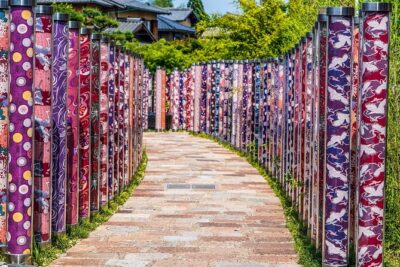
Kyoto Arashiyama Walking Tour: Bamboo, Monkeys, Gardens & Secrets
Read our review →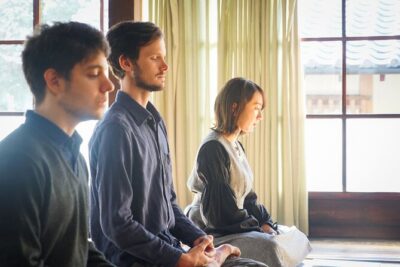
Kyoto Zen Meditation & Garden Tour at a Zen Temple with Lunch
Read our review →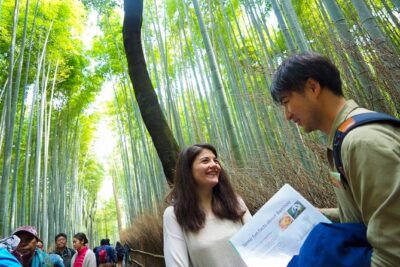
Kyoto Arashiyama Bamboo forest & Garden Half-Day Walking Tour
Read our review →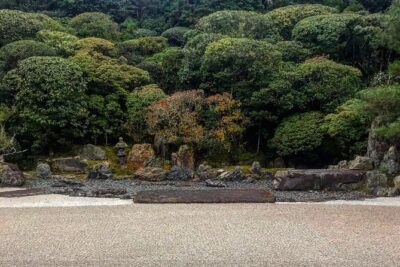
Kyoto Kiyomizu Tea Ceremony with Scenic Garden Views
Read our review →
Zen Meditation and Garden Tour at a Temple with Lunch
Read our review →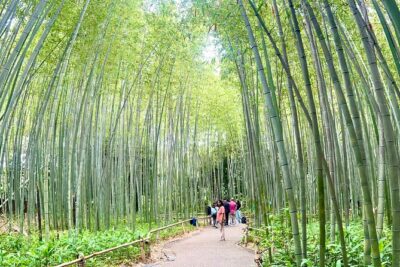
Stunning Private Tea Ceremony: Camellia Garden Teahouse
Read our review →Browse the lists this tour appears in