
REVIEW · SAKE TASTING
Experience of pairing sake tasting with snacks in Kyoto
The best part of this Kyoto sake workshop is its clear tasting plan. You first sample five sakes on their own, then taste them again with five matching snacks. That simple comparison helps you notice how food can change sake’s flavor.
I like the short format and the personal feel. Kahoko, one of the named hosts, brings a friendly, passionate approach, and the tasting sheet gives you a way to remember what you tried. The possible drawback is that 60 minutes passes quickly, so this is an introduction rather than a full sake course.
In This Review
- Key points at a glance
- Starting in Kyoto’s Kawaramachi area
- The first 15 minutes: sake basics without the guesswork
- Five sakes, including a Kyoto selection
- The snack pairings show why food matters
- A friendly class with room for conversation
- What the 60-minute schedule really gives you
- Price and value in practical terms
- Who will get the most from this experience
- Booking, cancellation, and timing tips
- Should you book the Kyoto sake workshop?
- FAQ
- Where does the sake tasting take place?
- How long does the activity last?
- How many kinds of sake are included?
- Are snacks included?
- What does the workshop explain?
- Do I taste the sake before the food pairings?
- What time can I book the activity?
- How much does the experience cost?
- Can I cancel for a refund?
Key points at a glance
- Five sakes and five snacks: Each pour has a food pairing, making the tasting more useful than sampling sake alone.
- Kyoto is part of the lineup: You taste a selection from the local area along with other sake styles.
- Rice polishing gets explained: The workshop shows how the polishing ratio can affect sake’s character.
- A two-stage tasting: First taste the sake by itself, then compare it with the matching appetizer.
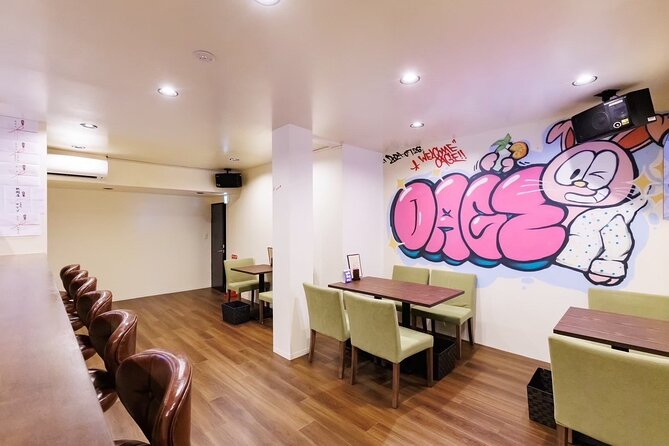
- Central Kawaramachi setting: Bar OAGE is in an alley near Kyoto’s main downtown area.
- A compact 60-minute class: Choose from four daily start times, with a maximum group size of 20.
Starting in Kyoto’s Kawaramachi area
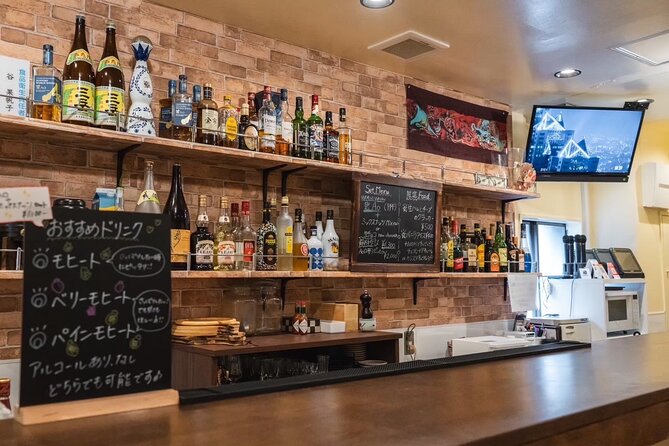
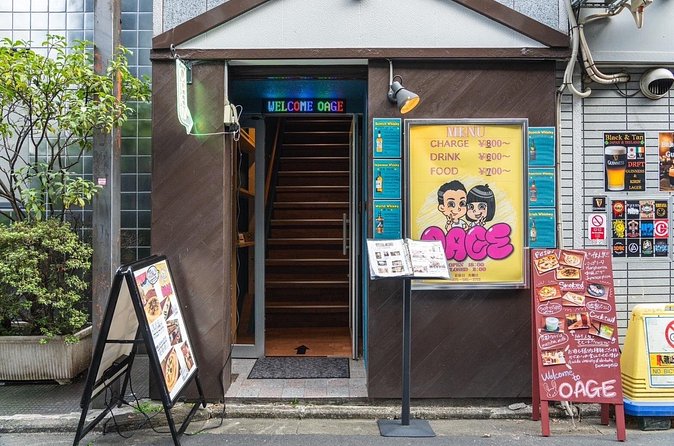
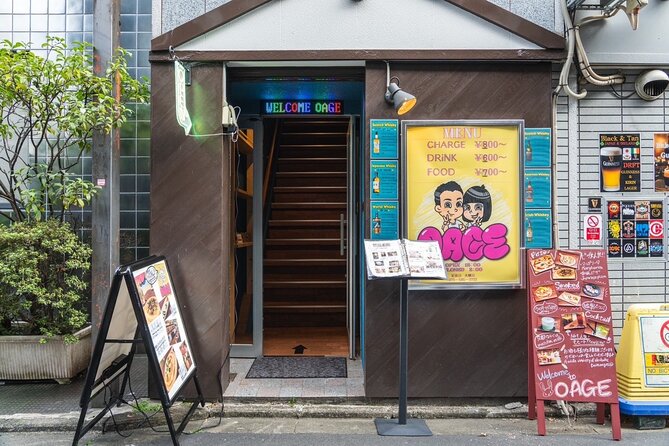
This experience takes place at Bar OAGE, described as a tucked-away bar in an alley in central Kyoto. The meeting point is Shine at 371 Kamiyacho, Nakagyo Ward, Kyoto, 604-8024, and the activity ends at that same meeting point.
Kawaramachi is a practical setting for a short food and drink experience. You are near public transportation and in one of Kyoto’s main downtown areas, so the workshop can fit between sightseeing stops, shopping, or dinner plans. The central location also makes a one-hour activity easier to add to a busy Kyoto day.
Allow yourself time to locate the meeting point. The bar is not presented as a large, obvious attraction, and the venue is in an alley. A mobile ticket is provided, so keep your booking information easy to access on your phone.
The daily schedule is unusually flexible. Sessions begin at 10:00, 12:00, 14:00, and 16:00, with four reception hours available each day. The late afternoon time is especially useful if you want to sample sake before dinner, while the morning and midday options work well for anyone building a food-focused day around the city.
More bars and sake stops in Kyoto:
- Kyoto Night Foodie Tour in Gion (9+ dishes + 6 Sake tastings)
★ 5.0 · 1,762 reviews - 3-Hour Kyoto Insider Sake Brewery Tour with Tastings & Pairings
★ 5.0 · 917 reviews - Arashiyama Bamboo, Temple, Monkeys, or Secret Sake Brewery
★ 4.8 · 886 reviews
The first 15 minutes: sake basics without the guesswork
The session begins with introductions and a short explanation of how sake is made. About 15 minutes is devoted to the production process and to basic terms, including the percentage of rice polished.
That last point matters. Sake labels can feel like a wall of unfamiliar words, especially if you are new to Japanese drinks. Learning about rice polishing gives you one practical way to understand why different sakes can have different aromas, textures, and flavors.
You do not need prior knowledge. The class is designed for beginners as well as sake lovers, and the opening explanation gives you enough background to follow the tasting. If you already know sake, this section may feel brief, but that is part of the appeal for an hour-long workshop. You will not spend most of the booking in a lecture.
The production explanation also gives you a better reason to pay attention to the glass. Instead of treating each sample as simply sweet, dry, strong, or mild, you can consider how the sake was made and how its style affects the drinking experience.
Five sakes, including a Kyoto selection
The host introduces five different sakes after the opening lesson. The selection includes a sake from Kyoto, giving the session a local connection rather than presenting only a generic set of Japanese drinks.
The five samples are meant to show contrast. The class refers to styles such as ginjoshu and nigorishu, with differences in aroma and flavor. Nigori sake is commonly associated with a cloudy appearance, while ginjo-style sake is often discussed for its fragrant character. The exact bottles can vary, so you should think of the session as a guided look at several styles rather than a fixed bottle-by-bottle tour.
You first taste the sake without food. This is a smart order. A snack can soften, sharpen, or otherwise change what you notice in a drink. Sampling the sake alone gives you a starting point before the food enters the picture.
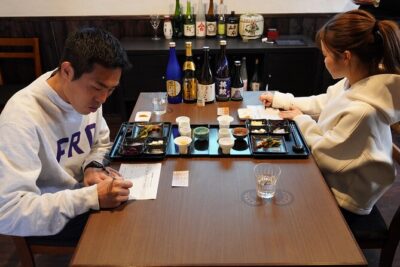
A tasting sheet and related materials are provided. Use them. Even if you do not plan to become a sake expert, writing down a few words can help you remember which sample you preferred. You might note a simple impression such as dry, fragrant, smooth, cloudy, or full-bodied. The point is not to produce a professional tasting report. It is to slow down and compare.
The small number of samples is another advantage. Five is enough variety to make the session worthwhile, but not so many that the tasting becomes a blur. Since the entire class lasts about an hour, the host has to keep the explanations focused.
The snack pairings show why food matters
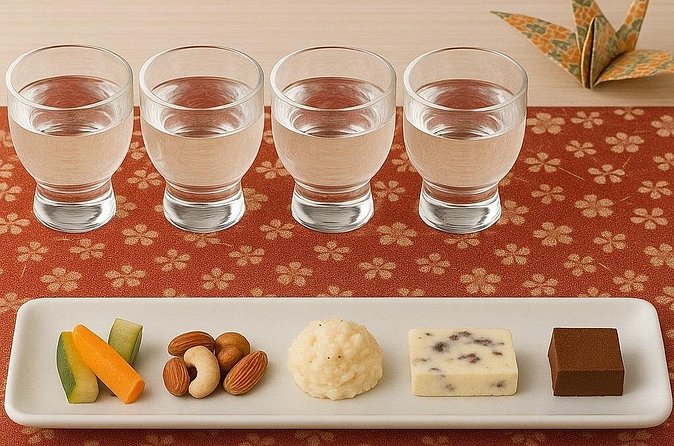
After the first round, the host serves five appetizers, one for each sake. You then taste the pairings and compare the result with your first impressions.
This is the most useful teaching moment of the experience. Many drink tastings stop after the pour. Here, the food gives you a practical lesson in compatibility. A sake that seems sharp on its own may feel softer with a snack. Another may bring out a different flavor in the food.
The appetizers are described as carefully chosen, but specific dishes are not listed. That means you should not book this expecting a particular Kyoto specialty or a full meal. Think of the food as five small tasting portions designed to support the sake.
The pairing format also helps if you are unsure how to order sake in Japan. You will see that there is no single best sake for every dish. The right match depends on the drink’s style and the food’s flavor. That is information you can use later in a Kyoto izakaya, restaurant, or sake bar.
The portions are part of the experience rather than a substitute for lunch or dinner. If you arrive hungry, plan another meal afterward. The workshop is a tasting class with appetizers, not a restaurant meal.
More food tours in Kyoto:
- Kyoto: Insider Sake Brewery Tour with Sake and Food Pairing
★ 5.0 · 704 reviews - Kyoto Sake Brewery & Tasting Walking Tour
★ 5.0 · 623 reviews - Kyoto Nishiki Market Food and Culture Walking Tour
★ 5.0 · 412 reviews - Kyoto: Gion Food Tour 13 Dishes at 4 Eateries
★ 5.0 · 408 reviews
A friendly class with room for conversation
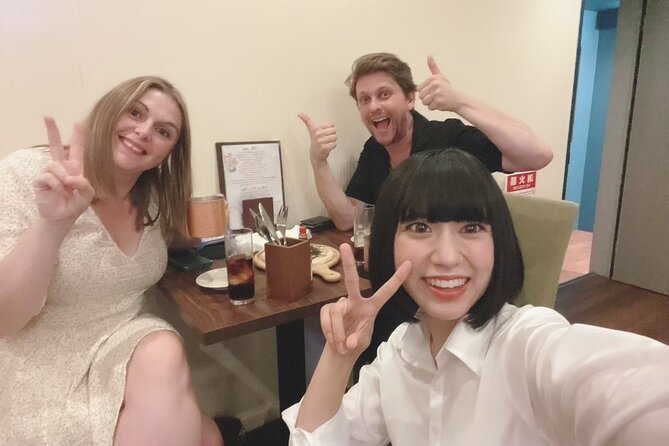
The workshop encourages introductions, conversation, and shared tasting. That social element suits people who want more than a silent flight of drinks. You can compare your impressions with the rest of the group and ask questions as the class moves along.
The maximum group size is 20. That is large enough to create energy but still small enough for a guided workshop. The actual feel will depend on how many people book your time slot. A full group may be livelier, while a smaller group may give you more chances to speak directly with the host.
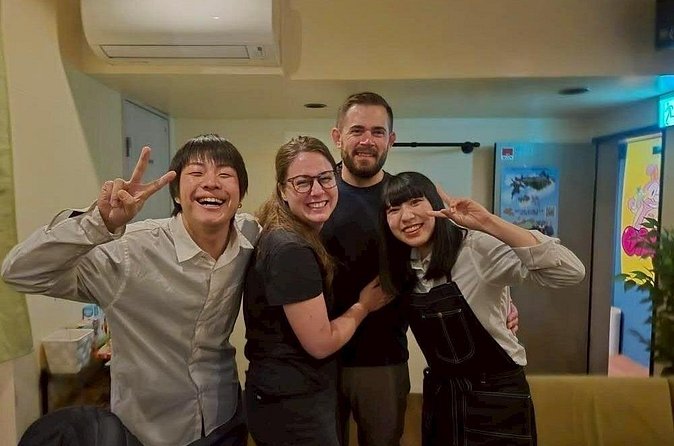
Kahoko is the named host connected with the experience, and her approach is described as friendly and passionate about sake. That matters here because the value of a short class depends heavily on the person explaining the drinks. A warm host can make unfamiliar terms feel approachable, especially if this is your first sake tasting.
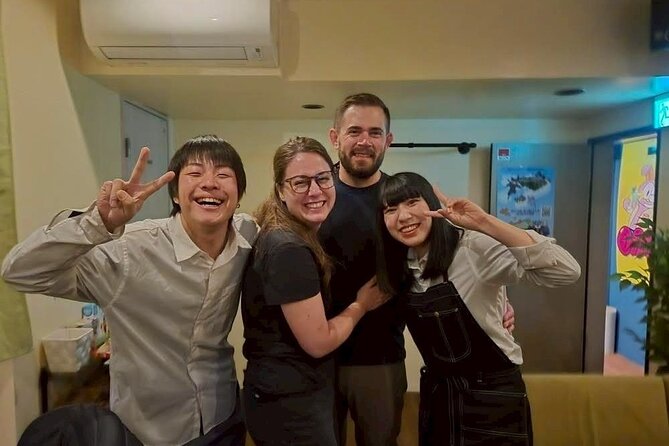
The group photo at the end is a light closing touch. It gives the session a clear finish and a simple memory of the activity. If you prefer a quiet, private tasting with no social element, this format may feel more communal than you want.
What the 60-minute schedule really gives you
The hour is divided into three broad parts:
- An introduction to sake production and rice polishing
- A tasting of five sakes without food
- A second tasting of the five sakes with matching appetizers
The host also introduces each sake and provides the tasting materials. A final group photo closes the session.
That is a good amount for one hour, but do not expect long conversations about every bottle. The workshop gives you a structured introduction, not a slow afternoon at a specialist bar. The pace should suit you if you want clear guidance and several comparisons in a limited window.
I would choose the 16:00 session if you want to connect it with dinner. The 10:00 or 12:00 start makes more sense if you are planning a full day downtown and want to place the tasting before larger meals. Because sake is served at each session, think about how the timing fits your personal plans.
Price and value in practical terms
The listed price is ¥7,500 per person, tax included, while the online price is shown as about $45.53 per person. Advance payment is required.
That is not a bargain if you are judging the experience as five small drinks and five snacks alone. The value comes from the teaching, the comparison between straight sake and food pairings, the local Kyoto selection, and the chance to ask questions in a guided setting.
You are also paying for a compact activity in central Kyoto. A one-hour booking can be easier to fit into your schedule than a longer brewery visit or a full evening food tour. For a first introduction, the price may be reasonable if you would otherwise spend time and money ordering unfamiliar bottles without knowing what you are tasting.
Sake fans should judge the value differently. If you already understand rice polishing, ginjo styles, and nigori sake, the basic introduction may repeat material you know. You may still appreciate the five pairings, but the class is aimed most clearly at beginners and curious drinkers rather than advanced students.
The experience is booked an average of 84 days ahead, so it is sensible to reserve early if your Kyoto dates are fixed. That timing does not guarantee every session sells out, but it signals that advance planning is common.
Who will get the most from this experience
This workshop fits you best if you want a manageable introduction to sake and prefer a guided tasting over choosing bottles on your own. It is also a good choice for couples, friends, and small groups who enjoy talking about food and drink.
First-time sake drinkers should feel comfortable here. The production explanation, tasting sheet, and two-stage pairing system give you a simple framework. You do not need to arrive knowing Japanese labels or tasting vocabulary.
The experience can also work for someone who already enjoys sake but wants to compare several styles in one sitting. The Kyoto selection adds a local angle, and the food pairings may help you think about sake in a more practical way.
Families with very young children may find the format less suitable simply because it centers on alcohol, although the stated information says most people can participate. Service animals are allowed. The activity is near public transportation, and the group limit is 20.
This is not the right pick if you want a large meal, a brewery tour, a long nightlife session, or a highly technical certification-style lesson. It is a focused tasting class in a bar setting.
Booking, cancellation, and timing tips
Confirmation is provided when you book, and the ticket is mobile. Keep the ticket available when you head to Shine, the stated starting point.
Free cancellation is available until at least 24 hours before the start time. If you cancel less than 24 hours before the experience, you do not receive a refund, and changes inside that window are not accepted. The cutoff uses local Kyoto time.
Because the activity ends back at the meeting point, you do not need to arrange a separate return transfer. You will still want to allow time afterward if you have a dinner reservation, since the official duration is approximately 60 minutes and group photos take place at the end.
Should you book the Kyoto sake workshop?
Book it if you want a short, structured introduction that connects sake with food. The five-sake format, Kyoto selection, tasting sheet, and five appetizers give you more than a simple bar flight, while the central Kawaramachi location makes the hour easy to add to a sightseeing day.
I would be especially inclined to book if you are new to sake, traveling with friends, or curious about how Japanese drinks work with food. The named host Kahoko is known for a friendly, passionate style, which is exactly what helps an introductory class succeed.
Skip it if you already have advanced sake knowledge or want a full meal and a long evening out. At ¥7,500, the price makes the most sense when you value the explanation and guided comparisons, not just the amount of alcohol in the glass.
FAQ
Where does the sake tasting take place?
The experience takes place at Bar OAGE in an alley in the Kawaramachi area of central Kyoto. The stated meeting point is Shine, 371 Kamiyacho, Nakagyo Ward, Kyoto, 604-8024, Japan.
How long does the activity last?
The workshop lasts approximately 60 minutes.
How many kinds of sake are included?
You taste five kinds of sake, including a selection from Kyoto.
Are snacks included?
Yes. Five appetizers are included, with one pairing prepared for each of the five sakes.
What does the workshop explain?
The host explains sake production, the percentage of rice polished, and the characteristics of the five sakes. Styles such as ginjoshu and nigorishu are included in the discussion.
Do I taste the sake before the food pairings?
Yes. You first taste the sake on its own and then taste it with the matching appetizers.
What time can I book the activity?
The available reception times are 10:00, 12:00, 14:00, and 16:00.
How much does the experience cost?
The listed price is ¥7,500 per person, including tax. The online price is shown as approximately $45.53 per person, and advance payment is required.
Can I cancel for a refund?
You can cancel for a full refund if you do so at least 24 hours before the experience start time. Cancellations or changes made less than 24 hours before the start time are not accepted for a refund.
More Sake Tasting in Kyoto
- 1.5-Hour Kyoto Insider Sake Experience with 7 Tastings & Pairings
★ 5.0 · 297 reviews - Kyoto: Insider Sake Experience with 7 Tastings and Snacks
★ 5.0 · 266 reviews - Private Tea Ceremony and Sake Tasting in Kyoto Samurai House
★ 5.0 · 163 reviews - Advanced Kyoto Insider Sake Tasting Experience
★ 5.0 · 44 reviews
Recently added around Kyoto
- Higashiyama | Kyoto: Sakura Season Private Rickshaw Tour★ 5.0 · 3 reviews
- Kyoto Kimono Rental CHAMATSU|Kimono/Yukata Rental FamilyPlan★ 5.0 · 3 reviews
- Kyoto: Half-Day Private Guided Tour to the Old Town of Gion★ 4.4 · 3 reviews
- Nara Private Customizable Half Day Tour★ 5.0 · 3 reviews
- Kansai Region Hiking Adventure in Nara Kobe Kyoto and More★ 5.0 · 3 reviews
- Full Day Nara Deer, Temple, Shrine, Activities & Tea Ceremony★ 5.0 · 3 reviews
- Nara: Essential Private Tour with Deer Park and Temples★ 5.0 · 3 reviews
- Photo Shoot with a Private Vacation Photographer in KYOTO, JAPAN★ 5.0 · 3 reviews
Sake Tasting, compared.
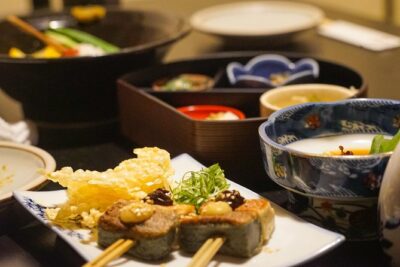
Kyoto Night Foodie Tour in Gion (9+ dishes + 6 Sake tastings)
Read our review →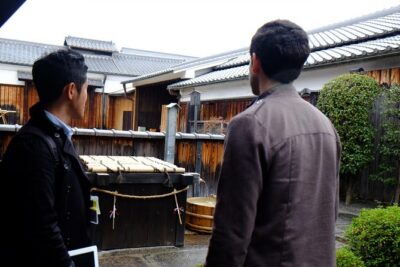
3-Hour Kyoto Insider Sake Brewery Tour with Tastings & Pairings
Read our review →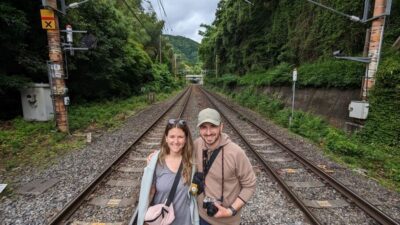
Arashiyama Bamboo, Temple, Monkeys, or Secret Sake Brewery
Read our review →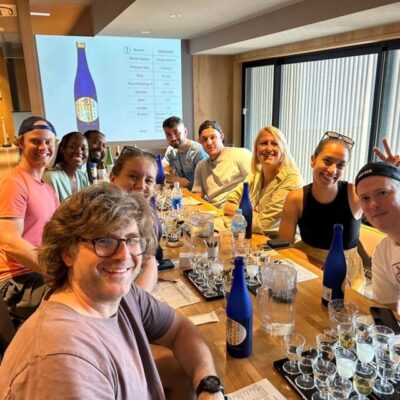
Insider Sake Brewery Tour with Sake and Food Pairing
Read our review →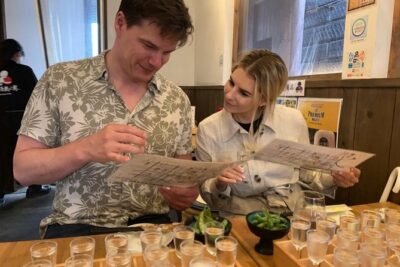
1.5-Hour Kyoto Insider Sake Experience with 7 Tastings & Pairings
Read our review →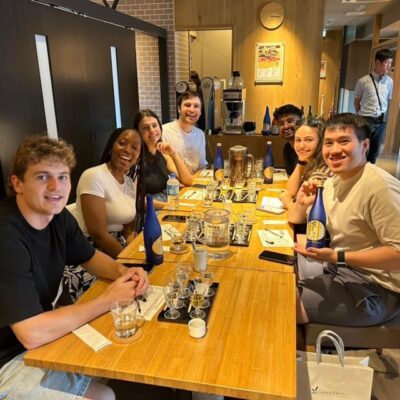
Insider Sake Experience with 7 Tastings and Snacks
Read our review →
Private Tea Ceremony and Sake Tasting in Kyoto Samurai House
Read our review →Browse the lists this tour appears in