
REVIEW · ARASHIYAMA BAMBOO GROVE TOURS
Private Tour to Monkey Park and Arashiyama Highlights
The monkeys are the star here. At Iwatayama Monkey Park, Japanese macaques roam among the trees and may come close to the viewing area, where you feed them safely from inside a hut. I like the excellent Kyoto view from the summit, and I like having Masa explain monkey behavior along the uphill trail. The catch is clear: reaching the park means a fairly demanding 20-minute climb.
I also like the private format, which lets Masa set a steady pace and take photos at good spots. The combination of Tenryuji’s garden and Arashiyama’s bamboo path gives you both culture and scenery in one outing. The advertised duration is three hours, so the schedule may feel tight if you expect a full boat ride, extended temple time, and a slow visit to every stop.
In This Review
- Key Points
- Why the Monkeys Make This Arashiyama Tour Memorable
- The Uphill Walk to Iwatayama
- Feeding the Macaques Without Crossing the Line
- Tenryuji Temple and Its Garden
- The Bamboo Forest Path at Its Best
- Togetsukyo Bridge and the Oi River
- How the Three-Hour Schedule Works
- What the Private Guide Adds
- Is $38 a Good Value?
- Who Should Book This Experience?
- Should You Book the Monkey Park and Arashiyama Tour?
- FAQ
- Where does the tour meet?
- How long is the tour?
- Is the tour private?
- Who is the guide?
- How difficult is the walk to Monkey Park?
- Can I feed the monkeys?
- How much does monkey food cost?
- Is admission included?
- Is transportation included?
Key Points
- Feed monkeys safely from inside the park rest area: The macaques roam freely outside, but feeding is allowed only through the protected feeding area.
- Prepare for a 20-minute uphill walk: The climb brings city views, but this is not a flat sightseeing walk.
- See three classic Arashiyama sights: Tenryuji Temple, the bamboo forest path, and Togetsukyo Bridge each offer a different side of the district.
- Enjoy a private English-language tour: Masahiko, often called Masa, can adjust the walking pace and explain local history and customs.
- Bring 100-yen coins: Monkey food costs 100 yen per bag, and small change makes feeding time easier.
- Confirm the boat-ride timing: The experience description includes a leisurely Oi River boat trip, but the detailed schedule centers on the monkey park, temple, bamboo grove, and bridge.
Why the Monkeys Make This Arashiyama Tour Memorable
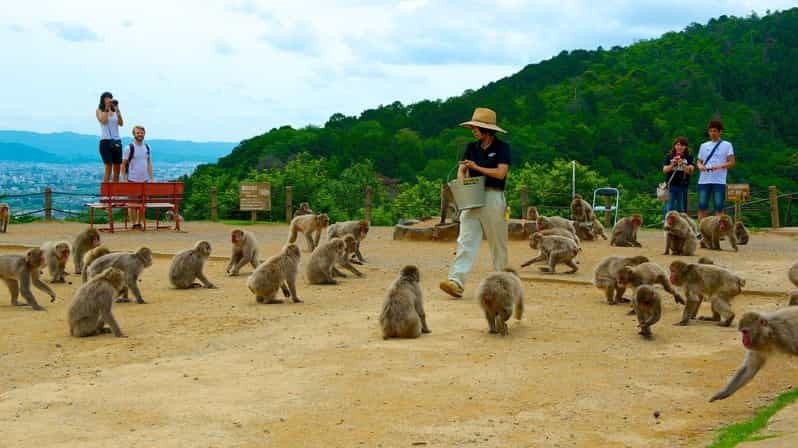
Arashiyama is famous for bamboo, temples, and river views, but the monkey park adds something less polished and more surprising. You walk uphill into a wooded setting where Japanese macaques move through the trees, sit in groups, groom one another, and watch people with calm curiosity.
The monkeys are not performing tricks. That matters. You are observing animals in a semi-natural setting rather than watching a staged show. They may be near the trail, in the trees, or around the rest area, so the experience changes from moment to moment.
Feeding is done from inside the rest area. You buy a small bag of food for 100 yen, then hold it out through the openings under supervision. This arrangement keeps a sensible distance between people and animals. Do not carry food into the rest area, and do not try to touch the macaques.
The feeding routine is simple, but it gives you a closer look at their hands, faces, and social habits. Masa uses the walk and the park to explain how the monkeys behave and interact. His quizzes and easygoing style can make the uphill section feel less like a workout and more like part of the lesson.
The best practical tip is to bring a few 100-yen coins. The feeding fee is small, but you will not want to waste time searching for change after reaching the top.
More of Arashiyama and the bamboo grove:
- Kyoto: Fushimi Inari, Kinkakuji, Bamboo Grove 1 Day Bus Tour
★ 4.8 · 4,316 reviews - Kyoto/Osaka: Nara, Fushimi Inari Taisha, Arashiyama Bus Tour
★ 4.7 · 1,275 reviews - Kyoto Arashiyama Walking Tour: Bamboo, Monkeys, Gardens & Secrets
★ 5.0 · 1,216 reviews
The Uphill Walk to Iwatayama
The monkey park is reached by a roughly 20-minute uphill walk. The exact effort depends on your pace, but you should think of this as a hike, not a quick stroll from the station.
Wear sturdy walking shoes. High heels are not allowed, and the tour is not suitable for people with low fitness, mobility impairments, wheelchair users, or people who are afraid of heights. Pregnant people and those over 75 are also listed as unsuitable for this experience.
The climb is part of the reward. As you rise above Arashiyama, the trees open to views across Kyoto and the surrounding mountains. Several people find the view from the top as memorable as the monkeys themselves.
Masa can help by keeping a steady pace. That private attention is useful if one person in your group needs more time, or if you want to stop for photos. Still, do not book this expecting the guide to remove the physical challenge. The hill remains a hill.
Bring water and a snack for yourself, along with rain gear. Weather can change quickly, and the tour does not provide transportation between the meeting point and the park.
Feeding the Macaques Without Crossing the Line
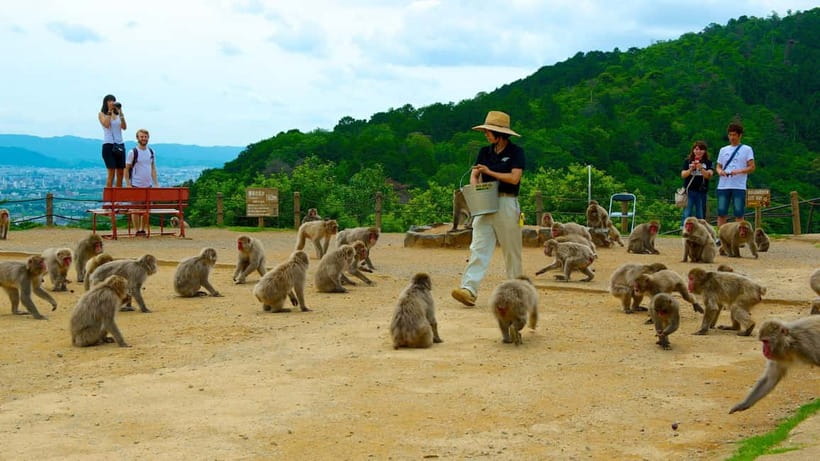
The park experience works best when you follow its rules closely. The macaques are accustomed to people, but they are still animals with their own space and habits.
Feed only from inside the designated rest area. Do not reach toward a monkey outside the feeding area, and do not bring your own food inside. Avoid touching plants, and keep your attention on the instructions from the guide and park staff.
This is a good place for photos, but it is not the time to chase an animal for a close-up. The macaques may come near on their own, and that natural movement is more interesting than a forced pose.
The experience also suits families with older children who can follow directions. It is less suitable for toddlers with strollers, since baby strollers and carriages are not allowed and the climb is steep. Electric wheelchairs are also not permitted.
People with animal allergies should skip this outing. The monkeys roam freely in the park, and the experience brings you close to them.
Tenryuji Temple and Its Garden
After the monkey park, the tour moves into the cultural heart of Arashiyama. Tenryuji is a UNESCO World Heritage Site and one of Kyoto’s major Zen temples.
The temple gives the tour a welcome change of rhythm. At the monkey park, you watch active animals in a forest. At Tenryuji, you slow down and look at carefully arranged buildings, garden views, and the relationship between architecture and nature.
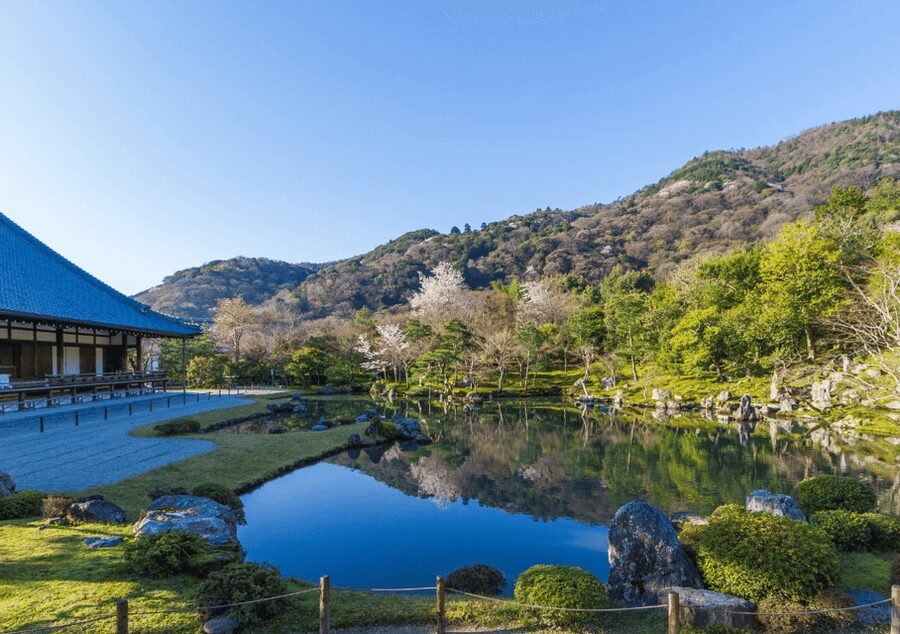
The garden is the main reason to make time here. Its design uses the surrounding mountains as part of the view, creating a broad scene rather than a garden that feels sealed off from its setting. The result is especially rewarding when you pause instead of rushing through for a quick photograph.
Masa explains the temple’s background, architecture, and Zen ideas in English. His wider knowledge of Kyoto and Japanese life adds context that a solo visit may not provide. You can certainly walk into Tenryuji by yourself, but a private guide helps connect the garden’s design with the cultural ideas behind it.
Admission to Tenryuji is included. That improves the $38 price considerably, especially because the tour also includes Monkey Park admission, monkey food, and the guided walk. Keep in mind that three hours is not a long time for a district with this many sights. If Tenryuji is your top priority, tell Masa early so you do not spend all your time at the monkeys.
A few more Kyoto experiences worth comparing
- Fushimi Inari Hidden Hiking Tour (Private Option Available)
★ 5.0 · 1,750 reviews - Private Kyoto Tour with a Local, Highlights & Hidden Gems, Personalised
★ 5.0 · 1,543 reviews - Kyoto 6hr Private Tour with Government-Licensed Guide
★ 5.0 · 1,369 reviews - 10 Must-see Spots in Kyoto One Day Private Tour (up to 7 people)
★ 5.0 · 1,108 reviews
The Bamboo Forest Path at Its Best
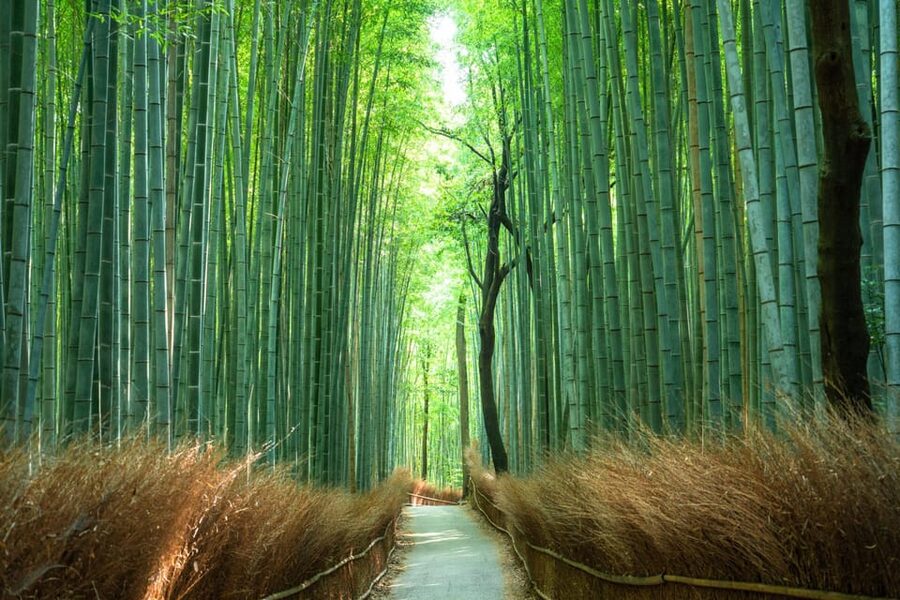
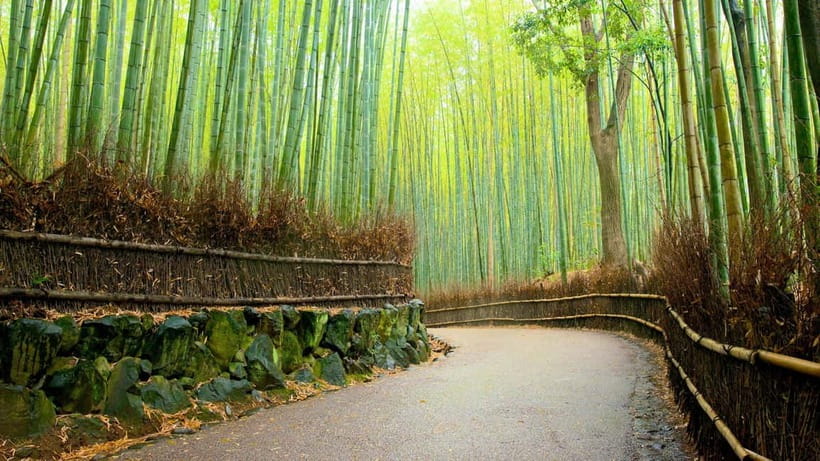
The Arashiyama Bamboo Grove is one of Kyoto’s most photographed places. Tall bamboo rises on both sides of the path, filtering the light and creating a distinct sound as the stalks move in the wind.
The famous path can be crowded, especially at popular times, so expectations matter. This is not a private forest walk. You are visiting an iconic public route, and the experience depends partly on how busy the path is when you arrive.
The path is free and open from 9:00 to 17:00. The tour needs to fit within those hours if the bamboo section is part of your plan. Since the activity lasts three hours, check the available starting times before booking.
Masa can make this stop more useful by pointing out details and helping with photos. Several parts of the route are good photo locations, and a guide who knows the area can save you from wandering while watching the clock.
The bamboo grove is also where the tour can feel rushed. You have already climbed to the monkey park and spent time at Tenryuji. Add Togetsukyo Bridge and a possible boat ride, and the schedule becomes full. I would book this for a focused introduction to Arashiyama, not for a slow all-day exploration.
Togetsukyo Bridge and the Oi River
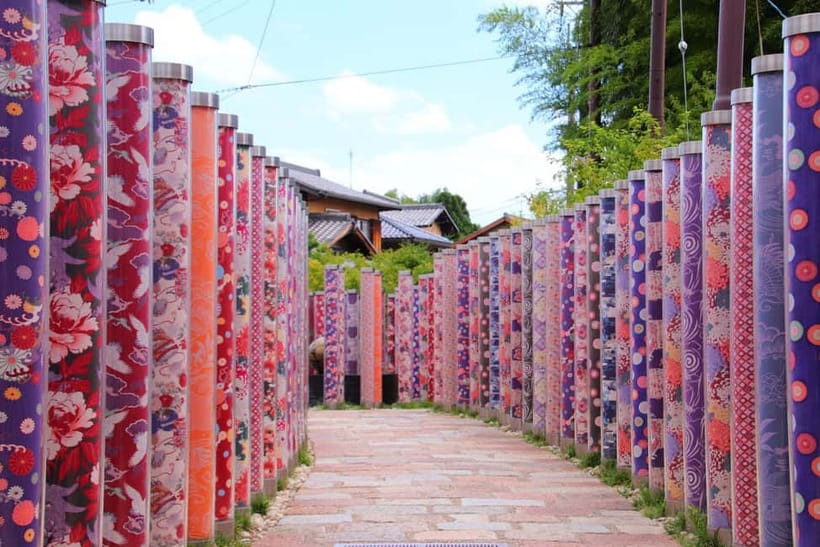
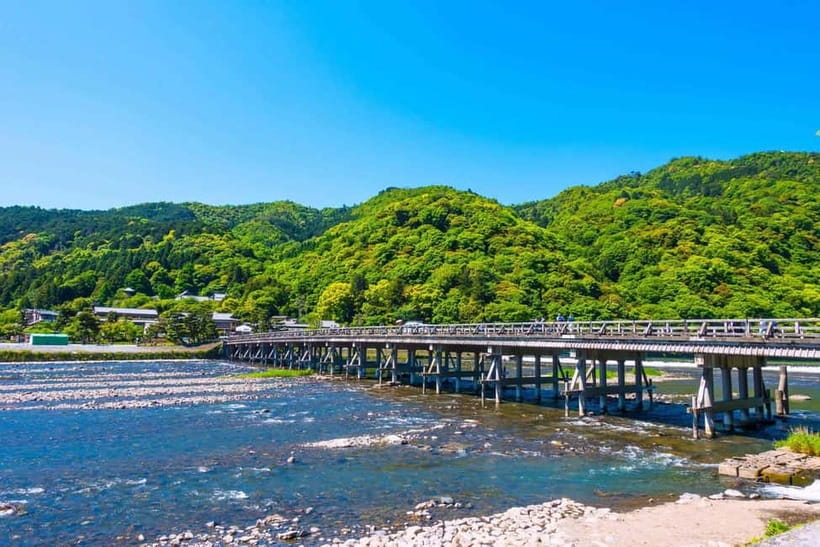
Togetsukyo Bridge is Arashiyama’s familiar postcard view. The bridge crosses the Oi River, with mountains and seasonal scenery behind it.
The setting changes throughout the year. Spring brings cherry blossoms, while autumn brings colorful leaves. Even outside those seasons, the bridge gives you a useful sense of Arashiyama’s geography: river in front, mountains beyond, and the historic district spreading behind you.
This is a good place to stop taking notes and simply look around. You can photograph the bridge, sit by the river, or enjoy the slow movement of the water. After the uphill monkey park and temple visit, the open riverside provides a natural breather.
The experience highlights a leisurely boat trip on the Oi River. That sounds appealing, but the detailed schedule does not state how long the boat portion lasts or exactly where it fits into the three-hour route. Ask the provider to confirm whether a boat ride is included at your chosen time, rather than assuming it will receive a long section of the tour.
How the Three-Hour Schedule Works
The stated duration is three hours, with starting times available according to the booking calendar. The information also describes one hour at Monkey Park followed by three hours of Arashiyama highlights, which adds up to longer than the advertised total.
That mismatch is worth checking before you pay. The core route includes the monkey park, Tenryuji, bamboo forest, and Togetsukyo Bridge. The activity description also mentions a boat trip, but no separate boat duration is provided.
A private guide gives you flexibility, but it does not create extra hours. If you want time for feeding, temple gardens, photos, the bamboo path, the bridge, and a boat trip, ask how the guide plans to arrange the day.
The meeting point is outside the ticket gates at Hankyu-Arashiyama Station. Look for Masa holding a sign with your name in the plaza. Be careful with the station name: the meeting point is Hankyu-Arashiyama, not Randen-Arashiyama or JR Saga-Arashiyama.
Transportation to and from the attractions is not included. This makes the station meeting point practical, since the route begins in the Arashiyama area, but you are responsible for getting to the station and managing any travel after the tour.
What the Private Guide Adds
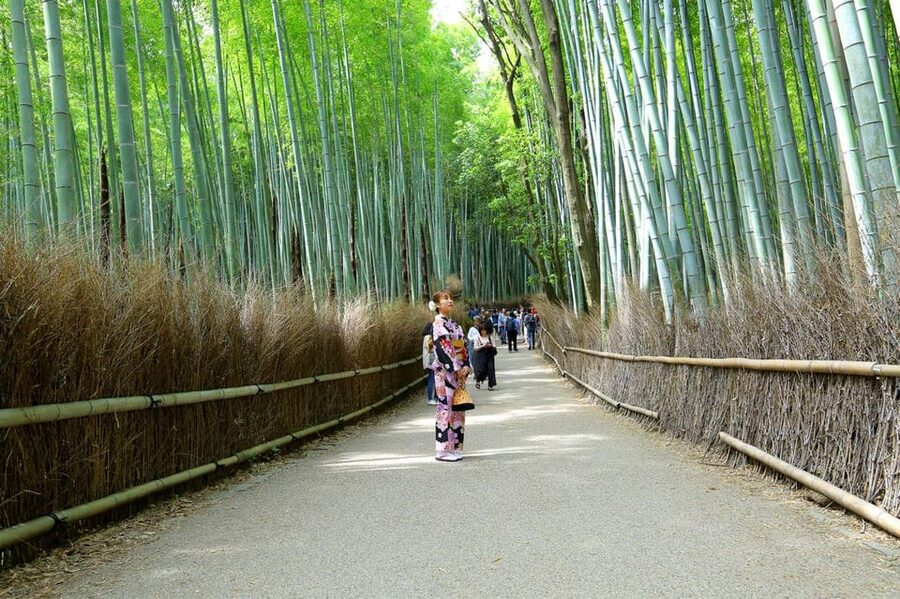
The guide is Masahiko, usually called Masa, and the tour is conducted in English. His role is more than pointing out locations. He explains monkey behavior, shares information about Tenryuji and Kyoto, answers questions, and can offer advice about food and the area after the formal route.
The private format is especially useful for pace. Masa has been described as keeping a steady rhythm so groups do not exhaust themselves on the climb. He also takes photos at good locations, a small service that can matter when you are traveling as a couple or family and want everyone in the picture.
A private tour also makes it easier to ask for a little more time at the temple or move along when a stop is less important to you. You should still state your priorities at the beginning. If you care most about monkeys, say so. If the Zen garden matters more, protect that time.
The guide’s friendly, humorous approach is a good match for a route that mixes animals, religion, nature, and city views. You get information without turning every stop into a lecture.
Is $38 a Good Value?
At $38 per person, this is a strong value if you want a guided introduction to Arashiyama. The price includes Monkey Park admission, Tenryuji admission, the monkey feeding fee, and the private English-language guide.
You are not paying for transportation, personal expenses, or a meal. The bamboo path itself is free, so its inclusion adds convenience rather than a major ticket saving.
The value comes from combining several stops that are easy to connect geographically but not always easy to understand on your own. You get a guide for the uphill walk, help with the monkey-feeding rules, cultural context at Tenryuji, and assistance with photos.
The price is less attractive if you want a long boat trip or a relaxed half-day visit. The three-hour limit means you are buying a concentrated route. Confirm the boat details and the timing of each stop before booking.
Free cancellation up to 24 hours before the start and the option to reserve now and pay later reduce the risk if your Kyoto plans are still shifting.
Who Should Book This Experience?
I would recommend it to first-time Kyoto visitors who want Arashiyama’s main sights without planning every turn. It is also a good fit for animal lovers, couples, families with older children, and anyone who values a private guide over a large group.
You should have a reasonable level of fitness and be comfortable with an uphill walk. Comfortable shoes are essential, and rain gear is a sensible addition.
I would not choose this tour for a wheelchair user, anyone with serious mobility limits, someone who dislikes heights, or a person with an animal allergy. It is also not suitable for people over 287 pounds, pregnant people, people over 75, or those with low fitness, according to the stated restrictions.
People with lactose intolerance are also listed among those for whom the tour is not suitable. The reason is not explained in the supplied information, so you may want to ask the provider if this restriction affects your particular needs.
Should You Book the Monkey Park and Arashiyama Tour?
Book it if you want a friendly, private guide and a compact route that combines free-roaming macaques, a Zen temple, bamboo, river scenery, and Kyoto views. Masa’s steady pace, local explanations, quizzes, and help with photos add real value, especially for a first visit.
Think twice if you want a slow temple visit, a long boat journey, or an easy flat walk. The monkey park climb is the main physical test, and the three-hour schedule may require choices.
Before booking, confirm the exact tour length and whether the Oi River boat trip is included in your selected time. Bring water, rain gear, comfortable shoes, and a few 100-yen coins. With those details settled, this is an appealing way to see the most recognizable parts of Arashiyama while adding one genuinely unusual stop.
FAQ
Where does the tour meet?
You meet at Hankyu-Arashiyama Station, in the plaza just outside the station ticket gates. The guide holds a sign with your name. Do not go to Randen-Arashiyama or JR Saga-Arashiyama Station.
How long is the tour?
The advertised duration is three hours. The detailed activity information describes one hour at Monkey Park and three hours of Arashiyama highlights, so confirm the exact schedule with the provider before booking.
Is the tour private?
Yes. It is a private group experience with an English-speaking live guide.
Who is the guide?
The guide is Masahiko, commonly called Masa. He speaks English and leads the walking tour through the monkey park and Arashiyama sights.
How difficult is the walk to Monkey Park?
You should expect about a 20-minute uphill walk to reach the park. Comfortable walking shoes, water, and a reasonable level of fitness are important.
Can I feed the monkeys?
Yes. Monkey feeding is included, and the feeding fee is covered. You may feed them only from inside the park’s rest area, and you should not bring food into that area.
How much does monkey food cost?
The feeding food costs 100 yen per bag. Bringing 100-yen coins is a useful practical tip.
Is admission included?
Admission to Iwatayama Monkey Park and Tenryuji Temple is included. The Bamboo Forest Path is free and open from 9:00 to 17:00.
Is transportation included?
No. Transportation to and from the attractions is not included. You are responsible for reaching the Hankyu-Arashiyama meeting point and arranging transport afterward.
Recently added around Kyoto
- Higashiyama | Kyoto: Sakura Season Private Rickshaw Tour★ 5.0 · 3 reviews
- Kyoto Kimono Rental CHAMATSU|Kimono/Yukata Rental FamilyPlan★ 5.0 · 3 reviews
- Nara Private Customizable Half Day Tour★ 5.0 · 3 reviews
- Kyoto: Half-Day Private Guided Tour to the Old Town of Gion★ 4.4 · 3 reviews
- Kansai Region Hiking Adventure in Nara Kobe Kyoto and More★ 5.0 · 3 reviews
- Full Day Nara Deer, Temple, Shrine, Activities & Tea Ceremony★ 5.0 · 3 reviews
- Nara: Essential Private Tour with Deer Park and Temples★ 5.0 · 3 reviews
- Hiking Tour for Sacred Sites in Kyoto with a Guide★ 5.0 · 3 reviews
Arashiyama Bamboo Grove Tours, compared.
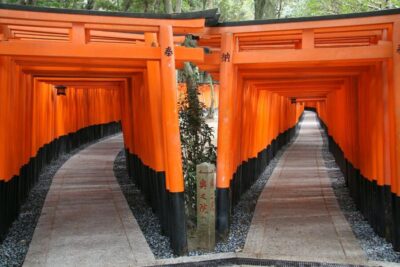
Fushimi Inari, Kinkakuji, Bamboo Grove 1 Day Bus Tour
Read our review →
Kyoto/Osaka: Nara, Fushimi Inari Taisha, Arashiyama Bus Tour
Read our review →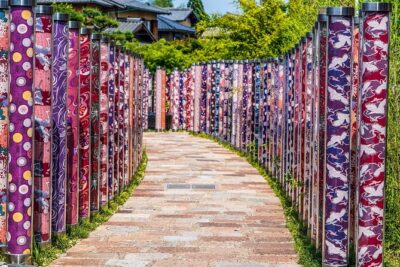
Kyoto Arashiyama Walking Tour: Bamboo, Monkeys, Gardens & Secrets
Read our review →
Arashiyama Bamboo, Temple, Monkeys, or Secret Sake Brewery
Read our review →
Arashiyama Bamboo Forest, Monkeys, Matcha & Temple Tour
Read our review →
Nijo, Kinkaku-ji, Arashiyama, Kiyomizu & Fushimi Inari
Read our review →
Kyoto Ghost Tour: Dark Tales, Urban Legends, Bamboo Forest Night
Read our review →
Arashiyama Bamboo Forest & Hidden Gems Bike Tour (Early Bird)
Read our review →Browse the lists this tour appears in