
REVIEW · ARASHIYAMA BAMBOO GROVE TOURS
Kyoto: Descending Arashiyama (Private)
Arashiyama is far more than its famous bamboo path. This tour takes you from the postcard view at Togetsukyo Bridge into quieter temple grounds, moss gardens, mountain paths, and the unusual world of 1,200 stone Buddha statues. A guide handles the route, so you can spend your energy looking around instead of checking a map.
I like the mix of famous sights and less obvious stops, especially Otagi Nenbutsu-ji and Gio-ji. I also like the personal scale: it is private for your group, with a maximum of seven people, and guides such as Andrew have been praised for explaining gardens, history, and local culture with lively stories. The catch is the price, plus about ¥5,000 per person in cash for admissions and up to ¥1,500 for lunch.
In This Review
- Key points to know before you book
- Why this Arashiyama route works
- Togetsukyo Bridge sets the scene
- Tenryu-ji pairs Zen design with a famous garden
- Otagi Nenbutsu-ji gives you 1,200 stone faces
- Tea and sweets at Ayuchaya Hiranoya
- Adashino Nembutsu-ji is solemn and scenic
- Gio-ji brings moss, bamboo, and a quieter mood
- Okochi Sanso rewards the climb with views
- The bamboo forest comes last
- What the $690 price really covers
- Timing, walking, and practical details
- Who should book this private Arashiyama day
- Should you book it?
- FAQ
- Where does the tour begin and end?
- How long does the experience last?
- How many people can join the tour?
- Are admission tickets included?
- Is lunch included?
- What happens if the weather is poor?
Key points to know before you book
- The route moves downhill through Arashiyama, from the central bridge toward temples, gardens, bamboo, and mountain-side sights.
- Otagi Nenbutsu-ji is the tour’s rarest stop, with 1,200 individual stone Buddha figures spread across the grounds.
- You get a private outing for $690 per group of up to four, though the advertised maximum is seven people.
- Admission costs are extra, and each person should bring ¥5,000 in cash for tickets.
- The day lasts about 7 hours and 30 minutes, with a moderate amount of walking between sites.
- The famous bamboo grove comes near the end, after quieter temples and gardens have given Arashiyama more depth.
Why this Arashiyama route works
Most first visits to Arashiyama focus on the bamboo grove, Tenryu-ji, and the bridge. Those places deserve their fame, but they can leave you with only a quick glimpse of the district. This route gives you a fuller day, beginning in the center and gradually heading into the wooded hills behind Sagano.
That direction matters. You start with the easy-to-recognize Kyoto scene, then leave the busiest core behind as the route continues toward smaller temples and garden estates. The guide’s main job is not only navigation. It is helping you notice why a moss garden is shaped a certain way, how a Zen garden uses empty space, or why a memorial site feels different from a working temple.
The tour is listed as private, with only your group participating. The price is $690 per group of up to four, so it makes the most sense for a family or group of friends who want a full day with one guide. Split four ways, the guide cost is $172.50 per person before admissions and food. For a solo visitor or couple, the price is much harder to justify unless a private experience matters greatly to you.
The route includes long periods on foot, stairs or uneven temple paths may be part of the day, and a moderate fitness level is requested. The listed stops account for about six hours and 20 minutes, leaving roughly an hour for walking, transitions, and lunch within the 7.5-hour schedule. Wear shoes you can walk in comfortably.
More of Arashiyama and the bamboo grove:
- Kyoto: Fushimi Inari, Kinkakuji, Bamboo Grove 1 Day Bus Tour
★ 4.8 · 4,316 reviews - Kyoto/Osaka: Nara, Fushimi Inari Taisha, Arashiyama Bus Tour
★ 4.7 · 1,275 reviews - Kyoto Arashiyama Walking Tour: Bamboo, Monkeys, Gardens & Secrets
★ 5.0 · 1,216 reviews
Togetsukyo Bridge sets the scene
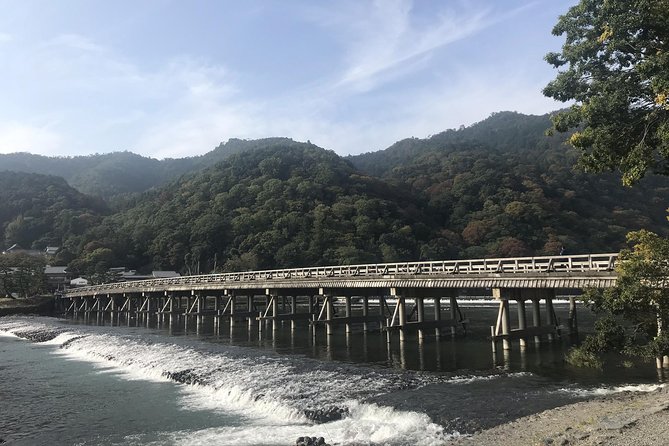
The day begins at Randen Arashiyama Station at 9:30 a.m. From there, you walk to Togetsukyo Bridge, one of Kyoto’s most familiar views. The bridge crosses the Katsura River, with wooded hills behind it and open water below. You get about 20 minutes here, enough for photographs and a quick orientation to Arashiyama.
This is a sensible starting point because it gives you the big picture before the route turns toward temples. The stop is free, and you do not need a ticket just to enjoy the bridge. It is also close to public transportation, which makes the meeting point fairly easy to reach.
Do not expect a long quiet pause here. The bridge is one of Arashiyama’s main sights, so it can feel busy, particularly at popular times of day. The guide can help you get your bearings quickly, but this is a short introduction, not the main event.
Tenryu-ji pairs Zen design with a famous garden
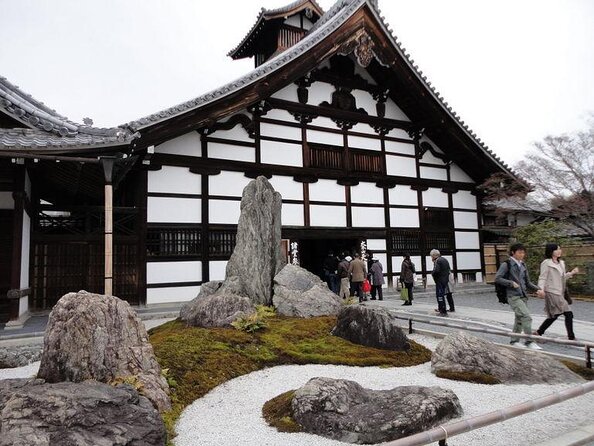
Next comes Tenryu-ji, one of Japan’s earliest Zen temples and one of Arashiyama’s essential visits. The tour allows about an hour, which gives you time to see more than the temple buildings alone. The great draw is the Zen garden, where ponds, rocks, clipped plants, and borrowed mountain views work together in a carefully controlled composition.
I value having a guide here because Zen gardens are easy to admire without understanding what you are seeing. Your guide can point out how the garden uses framed views and open space, and can explain the role of the setting rather than simply telling you to take a photograph.
Admission is not included. Since the tour involves several paid sights, this is the point where the extra cash requirement begins to matter. If you prefer to move at your own pace, an hour may feel short, especially if you want to inspect the buildings and garden closely. For most people, though, it is a useful first temple stop before the more unusual sites ahead.
Otagi Nenbutsu-ji gives you 1,200 stone faces
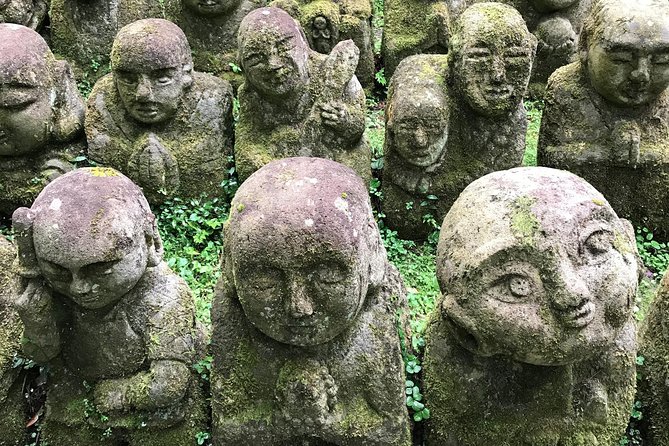
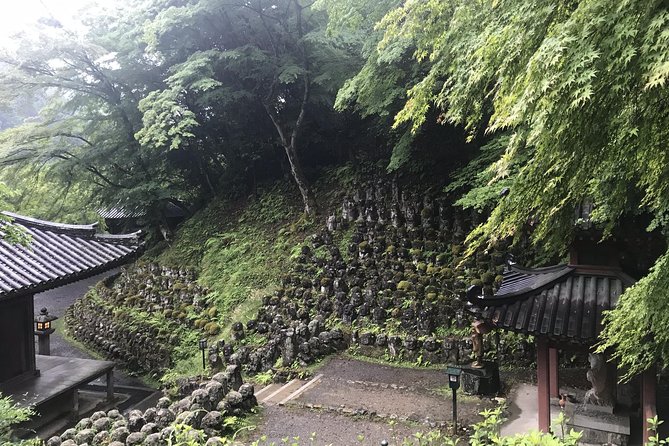
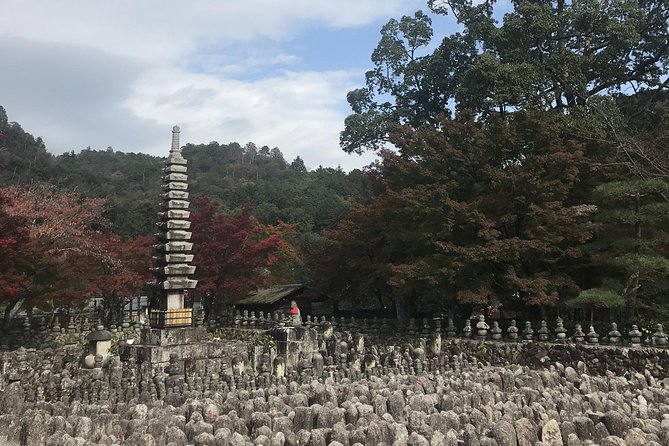
The most distinctive stop is Otagi Nenbutsu-ji, a temple with roots reaching back to the Heian period. You spend about an hour walking among 1,200 stone Buddha statues. Each figure has its own expression and character, making this a very different experience from a grand hall filled with one central image.
This is the place that gives the tour its strongest sense of discovery. The statues are spread across the grounds, so the visit feels more like a walk through a hillside shrine setting than a quick look inside a formal temple. Take your time here. The small differences between the figures reward close attention.
The temple is also a good example of why a guide can add value in Arashiyama. A quick independent visit might register the number of statues and little else. With Andrew, if he is assigned to your group, or another guide, you can expect the stop to include context about the temple and the meaning visitors may find in its unusual collection.
Admission is extra, and the grounds require walking. This is not the best stop for someone who wants a short, flat sightseeing circuit. It is one of the best stops for someone who enjoys details, quiet corners, and places that do not look like every other Kyoto photograph.
A few more Kyoto experiences worth comparing
- Fushimi Inari Hidden Hiking Tour (Private Option Available)
★ 5.0 · 1,750 reviews - Private Kyoto Tour with a Local, Highlights & Hidden Gems, Personalised
★ 5.0 · 1,543 reviews - Kyoto 6hr Private Tour with Government-Licensed Guide
★ 5.0 · 1,369 reviews - 10 Must-see Spots in Kyoto One Day Private Tour (up to 7 people)
★ 5.0 · 1,108 reviews
Tea and sweets at Ayuchaya Hiranoya
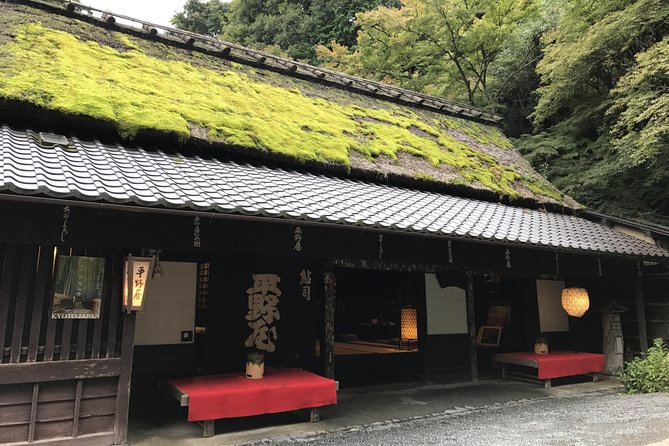
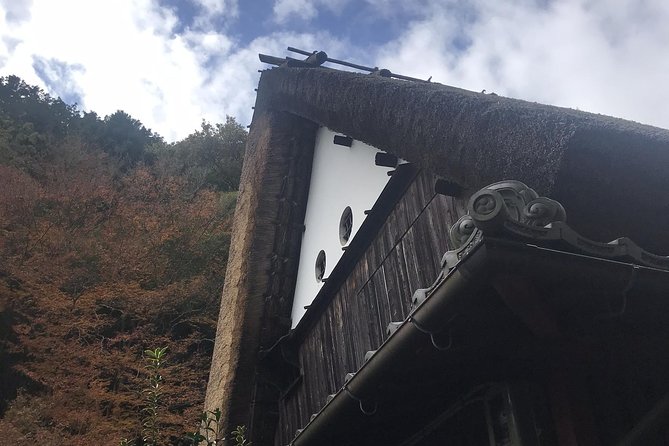
After the temples, the route pauses at Ayuchaya Hiranoya, an Edo-period cafe. The schedule allows about an hour for tea and sweets, giving you a chance to sit down rather than walk continuously from gate to gate.
That break is important on a day this long. Arashiyama sightseeing can become a blur of roofs, gardens, and stone paths if you never stop. A traditional cafe also changes the pace and lets you experience a piece of the district’s older commercial character.
The cost is not included. Lunch is also separate, and the guidance is to keep lunch at or below ¥1,500 per person. That is a useful budget marker, but it also means you should not assume the listed price covers your full day. Ask the guide how the cafe visit and lunch fit together, since a tea stop is not necessarily a full meal.
Adashino Nembutsu-ji is solemn and scenic
Adashino Nembutsu-ji brings a different mood. More than 8,000 memorial stones are gathered here from the surrounding mountains, creating a quiet site devoted to remembrance. You also walk through a small bamboo grove, one that is more intimate than the famous Sagano path later in the day.
This stop works because it adds emotional weight to the route. Arashiyama is often sold as scenery, but this temple reminds you that the hills and religious sites have long served purposes beyond sightseeing. The memorial stones make the visit feel reflective, not merely decorative.
You have about an hour here. The smaller bamboo grove is a strong advantage for anyone who wants the look of bamboo without making the entire visit about the most photographed trail. It is still a temple visit, so respectful behavior and suitable clothing are wise.
Admission is extra. The combination of memorial stones, temple grounds, and bamboo makes this one of the better stops for a guide’s explanation. Without context, the site could be easy to rush through. With time and guidance, it becomes one of the day’s more meaningful pauses.
Gio-ji brings moss, bamboo, and a quieter mood
Gio-ji takes about 30 minutes and was once a nunnery founded by two former geisha. Its moss garden is surrounded by bamboo, giving the site a cool, enclosed feeling that differs from the open views at the bridge or Okochi Sanso.
The short visit is appropriate. Gio-ji is a compact place, and its appeal comes from atmosphere rather than a long list of buildings. Look down as you walk. The moss, stones, and filtered light are the point.
This stop may be especially appealing if you like gardens that feel intimate rather than grand. The drawback is that half an hour leaves little room for a slow visit if the path is busy or you want to linger. It is best understood as a focused garden stop within a larger walking day.
Okochi Sanso rewards the climb with views
Okochi Sanso Garden is the former estate of a well-known silent-film actor. The tour gives you about an hour to explore the spacious grounds and take in some of Arashiyama’s finest views.
This is where the route opens up again after the enclosed spaces at Gio-ji and Adashino Nembutsu-ji. The garden is not simply a viewpoint. It is an estate designed for movement, with the pleasure coming from the relationship between paths, plantings, buildings, and distant scenery.
You should expect some walking within the grounds, and the day’s accumulated distance will be noticeable by this point. Still, the stop comes at a good moment. After several temples and memorial sites, the views give you a clear sense of where you have been walking.
Admission is not included. If you are weighing which paid stops matter most, Okochi Sanso is valuable for garden lovers and photographers, while visitors more interested in temple architecture may prefer to spend extra time at Tenryu-ji.
The bamboo forest comes last
The final major sight is the Sagano Bamboo Grove, with about 30 minutes on the Bamboo Forest Trail. The tall stalks create the classic Arashiyama scene, but the short scheduled visit tells you something useful: this tour is not built around standing in the bamboo for hours.
That is a strength. You see the famous path after visiting several quieter sites, so the grove becomes part of a larger day rather than the whole reason for coming. The guide also gets you there without requiring you to plan the route through Arashiyama yourself.
The tradeoff is that the grove can be busy, and 30 minutes may feel brief if you want many photographs. Do not expect complete solitude. Treat it as a final visual highlight, then return to the meeting point as the activity ends where it began.
What the $690 price really covers
The price is $690 per group of up to four, with professional guiding included. It does not cover admission tickets, tea, or lunch. Each person should bring an additional ¥5,000 in cash for admissions, and lunch should cost no more than ¥1,500 per person.
For four people, the private format gives you a practical value. You share one guide, can ask questions freely, and avoid being folded into a large coach group. You also get a full 7.5-hour route through eight stops, which would take planning, map work, and several separate admission decisions on your own.
For one or two people, the calculation changes. You are paying for time, route planning, and private attention, not simply entrance to temples. If you already know Arashiyama well and are happy using public transportation and a map, the tour may feel expensive. If you want cultural explanation and a well-paced route that reaches Otagi Nenbutsu-ji, Gio-ji, and Okochi Sanso in one day, the cost becomes easier to defend.
The 100 percent recommendation rate and five-star score from 24 ratings point to strong satisfaction, especially with the walking format, the less familiar sights, and the guide’s storytelling. Andrew is specifically praised for explaining gardens and building good relationships with people connected to the places visited. Guide assignment can vary, so treat Andrew’s presence as something to confirm rather than a guarantee.
Timing, walking, and practical details
You meet at the center of Randen Arashiyama Station at 9:30 a.m. The area is near public transportation, and the activity returns to the same meeting point. A mobile ticket is provided, which keeps the booking information on your phone.
The outing requires moderate fitness. You move between sites and spend much of the day on foot, with time in temple grounds and gardens. Strollers can be available during the walks, but they cannot enter the sites themselves. They can be stored at each site’s reception desk.
Bring cash for admissions, comfortable shoes, and enough room in your schedule for a full day. The experience requires good weather. If poor weather cancels it, you are offered another date or a full refund. Free cancellation is available until 24 hours before the start time, but changes or cancellations inside that window are not accepted.
Who should book this private Arashiyama day
I would choose this tour for a first visit to Kyoto when you want Arashiyama to feel like more than a bamboo photograph. It suits people who enjoy gardens, temples, local stories, and a steady walking route with someone else handling the directions.
It is also a strong choice for families or friends who can share the group price. The private format lets you ask questions and set a more personal rhythm, though the fixed schedule still includes all eight stops.
I would hesitate if you dislike walking, want a slow morning, or plan to spend most of your time shopping and eating in central Arashiyama. I would also compare the cost carefully if you are alone. The extra admission and meal expenses are manageable, but they should be part of your budget from the start.
Should you book it?
Book this experience if you want a full, guided look at Arashiyama, with the famous sights balanced by Otagi Nenbutsu-ji, Adashino Nembutsu-ji, Gio-ji, and Okochi Sanso. Its best quality is the route itself: you move from the bridge and major temple into quieter, more personal places before finishing at the bamboo grove.
Skip it if your priority is a cheap visit focused only on the bamboo forest and Tenryu-ji. For everyone else, especially a group of four willing to walk and pay the extra entrance fees, this is a thoughtful way to see the district without spending the day lost between temple gates.
FAQ
Where does the tour begin and end?
You meet at the center of Randen Arashiyama Station at 9:30 a.m. The activity ends back at the meeting point.
How long does the experience last?
The tour lasts approximately 7 hours and 30 minutes.
How many people can join the tour?
The activity is private for your group. The price is listed for up to four people, and the maximum group size is seven.
Are admission tickets included?
No. Each person should bring an additional ¥5,000 in cash for admission tickets.
Is lunch included?
No. Lunch is separate, and the suggested lunch cost should not exceed ¥1,500 per person. Tea and sweets at Ayuchaya Hiranoya are also not included.
What happens if the weather is poor?
The experience requires good weather. If it is canceled because of poor weather, you can choose another date or receive a full refund.
Recently added around Kyoto
- Higashiyama | Kyoto: Sakura Season Private Rickshaw Tour★ 5.0 · 3 reviews
- Kyoto Kimono Rental CHAMATSU|Kimono/Yukata Rental FamilyPlan★ 5.0 · 3 reviews
- Kyoto: Half-Day Private Guided Tour to the Old Town of Gion★ 4.4 · 3 reviews
- Nara Private Customizable Half Day Tour★ 5.0 · 3 reviews
- Kansai Region Hiking Adventure in Nara Kobe Kyoto and More★ 5.0 · 3 reviews
- Full Day Nara Deer, Temple, Shrine, Activities & Tea Ceremony★ 5.0 · 3 reviews
- Nara: Essential Private Tour with Deer Park and Temples★ 5.0 · 3 reviews
- Hiking Tour for Sacred Sites in Kyoto with a Guide★ 5.0 · 3 reviews
Arashiyama Bamboo Grove Tours, compared.
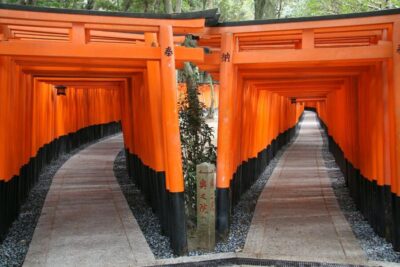
Fushimi Inari, Kinkakuji, Bamboo Grove 1 Day Bus Tour
Read our review →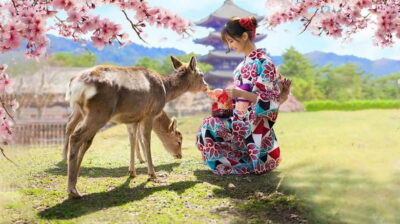
Kyoto/Osaka: Nara, Fushimi Inari Taisha, Arashiyama Bus Tour
Read our review →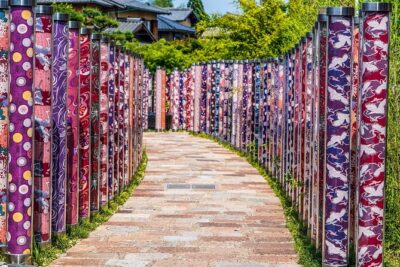
Kyoto Arashiyama Walking Tour: Bamboo, Monkeys, Gardens & Secrets
Read our review →
Arashiyama Bamboo, Temple, Monkeys, or Secret Sake Brewery
Read our review →
Arashiyama Bamboo Forest, Monkeys, Matcha & Temple Tour
Read our review →
Nijo, Kinkaku-ji, Arashiyama, Kiyomizu & Fushimi Inari
Read our review →
Kyoto Ghost Tour: Dark Tales, Urban Legends, Bamboo Forest Night
Read our review →
Arashiyama Bamboo Forest & Hidden Gems Bike Tour (Early Bird)
Read our review →Browse the lists this tour appears in