
REVIEW · ARASHIYAMA BAMBOO GROVE TOURS
Arashiyama from Kyoto: Private & Personalized with a Local Guide
Arashiyama gives you Kyoto in one big sweep: towering bamboo, mossy temple gardens, mountain views, monkeys, old lanes, and some of the city’s best-known sights. This private six-hour walk adds something useful to the mix: a guide who can change the day around your interests instead of marching you through a fixed route.
I like the chance to choose four of five temples, and I like the pre-tour questionnaire, which lets you ask for history, quiet shrines, food stops, family activities, or unusual places. Guides such as Alex, Brenda, Ada, and Dairyn have been praised for adjusting the pace and itinerary, including for young children, a visitor with a sprained ankle, and a child with autism.
The catch is simple: this is a serious walking day. The bamboo grove can be packed, and the climb to Monkey Park Iwatayama is much steeper than some visitors expect. At $288.17 per person, the tour makes the most sense for a small group that values personal planning and guidance, not for someone who only wants a quick look at the bamboo.
In This Review
- Key points to know before booking
- Why a private guide helps in Arashiyama
- Starting near Kyoto Station
- The bamboo grove: beautiful, famous, and often crowded
- Okochi Sanso Villa and its garden paths
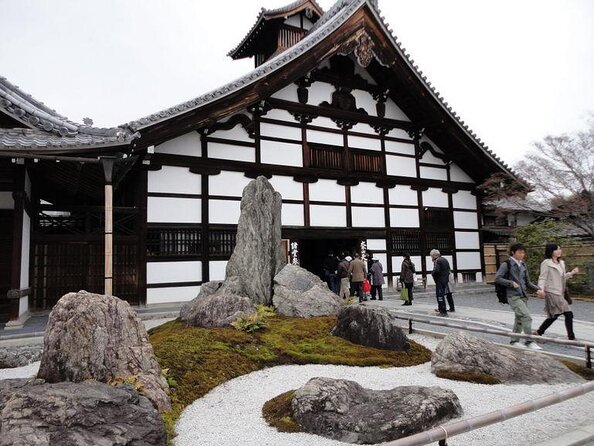
- Tenryu-ji: the major Zen temple
- Jojakko-ji: moss, a pagoda, and broad views
- Gio-ji: a small temple with a soft, quiet mood
- Otagi Nenbutsu-ji and its 1,200 expressive statues
- Daikaku-ji and the setting of The Tale of Genji
- Monkey Park Iwatayama is a real uphill hike
- What the strongest guides add
- Price, walking, and who gets good value
- Should you book this Arashiyama tour?
- FAQ
- How long is the Arashiyama tour?
- Is this a private tour?
- Where does the tour start?
- Where does the tour end?
- Which temple admissions are included?
- Are Okochi Sanso Villa and Monkey Park included?
- Is transportation included?
- Can the itinerary be customized?
- What is the cancellation policy?
Key points to know before booking
- Six hours on foot: Expect temple paths, lanes, stairs, and the steep climb to Monkey Park Iwatayama.
- Four temples included: Your guide can select four from Tenryu-ji, Jojakko-ji, Gio-ji, Otagi Nenbutsu-ji, and Daikaku-ji.
- Bamboo is only part of the day: The route can also include Okochi Sanso Villa, monkeys, gardens, shrines, food, and quieter corners.
- Private means flexible: Your guide can slow down, skip a crowded stop, spend longer with children, or replace the bamboo grove in bad weather.
- Transportation is extra: The tour is mainly a walking experience, though public transport or taxis may be used between sites.
- The guide matters: The strongest experiences come from guides who explain Kyoto clearly and respond to your group’s interests.
Why a private guide helps in Arashiyama
Arashiyama is easy to recognize and harder to understand. You can find the bamboo grove, Tenryu-ji, and the river on your own. The trouble comes when you want to connect the famous sights with the smaller temples, understand what you are seeing, and avoid spending the entire day in the thickest crowds.
That is where a private guide earns the fee. You complete a short questionnaire after booking, sharing your interests and must-see sights. Your host then contacts you to shape the route. You may want Buddhist art and gardens. Your family may need snacks, photo stops, and a slower pace. You may prefer small shrines and older lanes over the headline attractions.
The experience is private, so only your group takes part. That matters more than it might seem. You can ask basic questions without feeling rushed, stop for photographs, and change your mind halfway through the day.
The guide can also adapt to weather. In heavy rain, Ada replaced the bamboo grove with lesser-known shrines and historic places. That is a sensible approach. Bamboo is beautiful, but Kyoto has no shortage of worthwhile places when the weather turns wet.
More of Arashiyama and the bamboo grove:
- Kyoto: Fushimi Inari, Kinkakuji, Bamboo Grove 1 Day Bus Tour
★ 4.8 · 4,316 reviews - Kyoto/Osaka: Nara, Fushimi Inari Taisha, Arashiyama Bus Tour
★ 4.7 · 1,275 reviews - Kyoto Arashiyama Walking Tour: Bamboo, Monkeys, Gardens & Secrets
★ 5.0 · 1,216 reviews
Starting near Kyoto Station
The listed meeting point is Mister Donut in the JR Kyoto Station Building. The tour ends back at the same meeting point, although one guide has met a group at its hotel, so it is worth discussing pickup directly after booking rather than assuming it is included.
Starting at Kyoto Station is practical if you are arriving by train or staying nearby. It also gives you a clear place to meet before heading west toward Arashiyama. Public transportation or a local taxi may be used between sites, but those costs are not included and should be discussed with your host.
Do not treat the meeting point as proof that the whole tour involves private transport. It does not. The day is primarily on foot, with transit added when it helps connect the sights.
Wear shoes that can handle uneven paths and stairs. Bring water, and leave room in your schedule for short rests. The walk is manageable for most people, but the day can feel long if you are not used to steady walking.
The bamboo grove: beautiful, famous, and often crowded
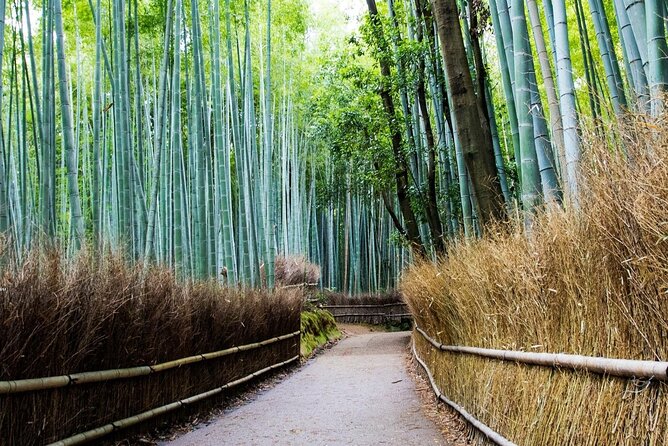
The Arashiyama Bamboo Grove is the obvious opening chapter for many visitors. Tall bamboo closes in around the path, giving the place a cool green hush when the crowds thin out. It is one of those Kyoto sights that really does look special in person, even after you have seen a hundred photographs.
The problem is popularity. The main path can be packed, especially later in the morning and during busy travel periods. There is little space to sit and linger, so this is more of a walking and photography stop than a quiet picnic in the bamboo.
Ask your guide about starting early if the bamboo is your top priority. A guide may also steer you toward a less crowded grove or a different route. One memorable outing began at Adashino Temple, where the group found a calmer bamboo setting before walking downhill toward other temples.
If you are visiting with young children, the grove itself may not hold their attention for long. The value of the private format is that you can keep moving instead of forcing everyone to spend extra time in a place that is mainly visual.
Okochi Sanso Villa and its garden paths
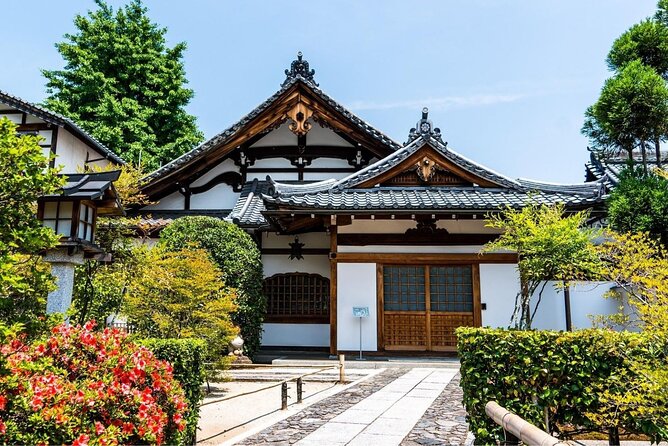
Okochi Sanso Villa is one of the most appealing inclusions because it offers more than a quick temple visit. This former home, built in the traditional Japanese style, includes gardens and sits on the slopes above Arashiyama. It is inscribed as a national cultural property.
The villa gives you a chance to see how architecture, planting, elevation, and seasonal views work together. One visitor described the actor’s house on the hill as especially beautiful, and that captures its appeal: it feels personal and residential rather than purely ceremonial.
Your guide can help explain the setting and point out details you might pass without noticing. The garden paths also provide a change of pace after the famous bamboo route. You are still walking, but the mood is calmer and more spacious.
This stop is included along with Monkey Park and four temple admissions. That helps the price feel more reasonable for a private group, particularly if you plan to visit several of these places anyway.
A few more Kyoto experiences worth comparing
- Fushimi Inari Hidden Hiking Tour (Private Option Available)
★ 5.0 · 1,750 reviews - Private Kyoto Tour with a Local, Highlights & Hidden Gems, Personalised
★ 5.0 · 1,543 reviews - Kyoto 6hr Private Tour with Government-Licensed Guide
★ 5.0 · 1,369 reviews - 10 Must-see Spots in Kyoto One Day Private Tour (up to 7 people)
★ 5.0 · 1,108 reviews
Tenryu-ji: the major Zen temple
Tenryu-ji is the best-known temple on this route and a UNESCO World Heritage site. It is also one of Kyoto’s five great Zen temples, so it brings weight and scale to the day.
The temple’s famous garden is the main reason to come. Its design uses water, trees, rocks, and the surrounding mountains to create a carefully framed view. Your guide can place the garden within Japanese Buddhist practice and explain how Zen ideas appear in the arrangement of space.
Tenryu-ji is also one of the busiest stops in Arashiyama. If you want quiet, do not expect the same feeling here as at a small hillside temple. The private guide cannot remove the crowds, but can help you understand the site and decide how long it deserves.
For a first visit to Arashiyama, I would usually keep Tenryu-ji. It gives you the major temple experience, while the other choices can be adjusted around your interests.
Jojakko-ji: moss, a pagoda, and broad views
Jojakko-ji sits on the slopes of Ogura Mountain and feels more tucked away than Tenryu-ji. Its moss gardens are a highlight, especially for anyone who enjoys small details, shaded paths, and quieter religious sites.
A 12-meter pagoda rises above the grounds and provides broad views over Arashiyama. The uphill setting is part of the charm, but it also adds effort. You will encounter slopes and steps, so tell your guide early if anyone in your group has mobility concerns or needs a slower pace.
This is a good choice for visitors who want scenery without spending the whole day at the most famous sites. It also pairs well with the bamboo grove, since the two stops offer very different experiences: one is a narrow, crowded corridor, the other a leafy temple on a mountain slope.
Gio-ji: a small temple with a soft, quiet mood
Gio-ji is known for its moss-covered garden and modest scale. It is not the place to visit for grand buildings or a long list of major monuments. Its appeal is the feeling of a small religious retreat, with green ground cover and shaded paths.
The temple works well for travelers who prefer atmosphere to spectacle. Your guide can explain the site’s place in local stories and religious culture, while you take time to notice the garden rather than rush from one large hall to another.
Because the tour includes four of five temples, Gio-ji may be selected instead of one of the larger sites. The right combination depends on what you want. If you already have several grand temples on your Kyoto schedule, a smaller stop like Gio-ji can add welcome variety.
Otagi Nenbutsu-ji and its 1,200 expressive statues
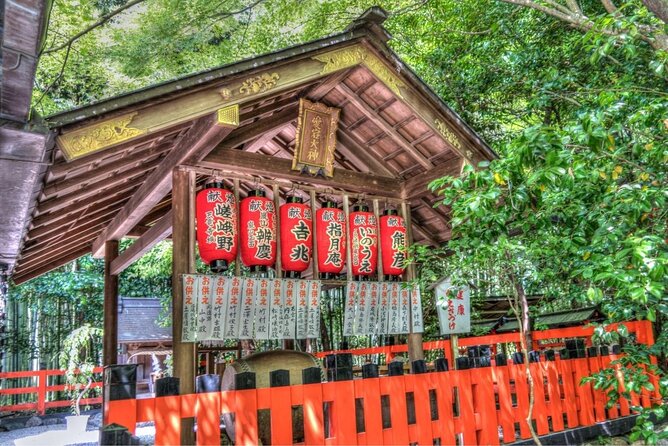
Otagi Nenbutsu-ji is the quirky choice. More than 1,200 rakan statues fill the grounds, each with a different face and pose. Some look cheerful, some thoughtful, and some downright odd.
This is a wonderful stop for families and anyone who wants a break from formal temple architecture. Children can look for the funniest expressions, while adults get a memorable view of Buddhist sculpture that feels less solemn and more human.
The temple is farther from the central Arashiyama sights, which is exactly why it can feel rewarding. It may require public transport or a taxi depending on the route your guide creates, and those costs are extra. Ask about the plan before the day begins if keeping expenses tight matters to you.
Daikaku-ji and the setting of The Tale of Genji
Daikaku-ji began as a former imperial villa and later became a temple. That background gives it a different character from the Zen sites. Ask your guide about its role in court culture and its connection with The Tale of Genji, often described as Japan’s first novel.
The pond garden is a peaceful place to slow down. The setting helps you picture the refined world of imperial and aristocratic Kyoto, where gardens were designed for viewing, ceremony, poetry, and seasonal changes.
Daikaku-ji suits visitors who want cultural context and a quieter visit. It may be less exciting for children than Otagi Nenbutsu-ji or Monkey Park, so families should use the pre-tour planning stage to build a route that keeps everyone involved.
Monkey Park Iwatayama is a real uphill hike
Monkey Park Iwatayama is one of the day’s most memorable stops, but do not mistake it for a flat city park. The path climbs a steep hill, and one visitor compared the effort to walking up a 40-storey building. That is a dramatic comparison, but the warning is useful.
At the top, Japanese macaques move freely in their natural setting. You can see them at close range while following the park’s rules for respectful interaction. The viewpoint also gives you excellent views over Kyoto.
The climb is worth considering carefully if anyone has knee problems, an injury, limited stamina, or a dislike of steep paths. A guide can set the pace and allow breaks. Hide helped one visitor with a sprained ankle, while Alex spent extra time at the park with a family and kept the day suitable for young children.
For many families and teenagers, this is the stop they remember best. It adds wildlife and physical activity to a day otherwise centered on temples and gardens.
What the strongest guides add
The best part of this format is not simply having someone point out buildings. It is having a person who can read the group.
Alex has been praised for keeping children and teenagers interested, answering questions about Kyoto and Japanese culture, and suggesting places for the rest of a family’s stay. Brenda has been described as patient, helpful, and flexible with a young child. Dairyn adjusted a tight schedule and suggested vegetarian food options.
Milos allowed an older visitor to set the walking pace and gave detailed explanations along the way. Bita handled an itinerary that changed with the group’s interests. Shingo began at Adashino Temple and found a quieter bamboo setting.
These examples point to a practical truth: guide quality can vary, and the names above do not guarantee who you will receive. The private structure gives a good guide room to shine, but it cannot make every host equally strong in every subject. One low-rated experience described attractive sites but a guide who lacked the desired level of expertise.
State your priorities clearly. If history matters most, say so. If you want food, quiet lanes, family stops, or fewer stairs, put that in writing before the tour.
Price, walking, and who gets good value
The price is $288.17 per person. That is a serious sum, but it covers a private guide, personalized planning, admission to four selected temples, Okochi Sanso Villa, and Monkey Park Iwatayama.
For a couple or small family with only one full day in Kyoto, the value can be good. You spend less time figuring out routes and more time seeing places that fit your interests. The guide can also point you toward lunch, markets, and activities for the rest of your stay.
For a larger group, group discounts may improve the calculation. For a solo visitor, the per-person price is harder to justify unless personal guidance is central to your trip.
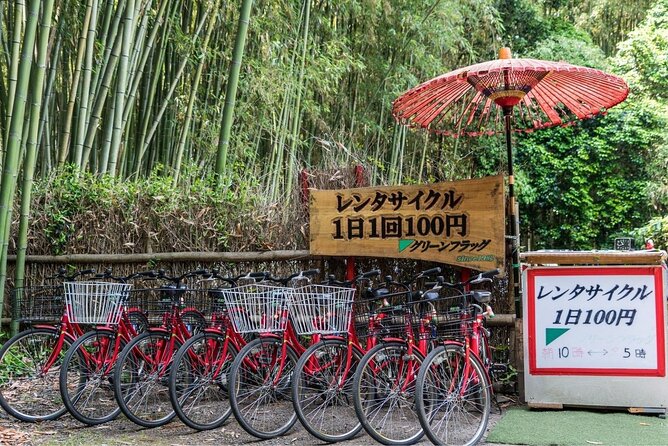
Food, drinks, bicycle rental, extra attraction tickets, and transportation are not included. The tour ends back at the meeting point, so plan for those added costs and for the walk back to transit.
Should you book this Arashiyama tour?
Book it if you want Arashiyama to feel like more than a checklist of bamboo and temples. It suits families, first-time visitors with limited time, and anyone who wants a flexible day with a real person shaping the route.
I would also choose it if you care about smaller temples such as Jojakko-ji, Gio-ji, or Otagi Nenbutsu-ji. Those places are easier to appreciate when someone explains what makes them special and helps you fit them into a sensible route.
Skip it if you only want the bamboo grove, dislike walking uphill, or prefer to set your own pace at a much lower cost. The 93 percent recommendation and 4.7 rating are strong, but the occasional mismatch between guide expertise and visitor expectations is a reminder to communicate clearly before arrival.
Free cancellation is available up to 24 hours before the start time. With the walking demands and extra transportation costs in mind, I would book this for a small group that values flexibility, then use the questionnaire to request an early bamboo visit, a gentler pace, or a temple mix built around your interests.
FAQ
How long is the Arashiyama tour?
The experience lasts approximately six hours.
Is this a private tour?
Yes. Only your group participates in the activity.
Where does the tour start?
The listed meeting point is Mister Donut in the JR Kyoto Station Building, at 901 Higashishiokōjichō, Shimogyo Ward, Kyoto.
Where does the tour end?
The activity ends back at the meeting point.
Which temple admissions are included?
Admission is included for four of these five temples: Tenryu-ji, Jojakko-ji, Gio-ji, Otagi Nenbutsu-ji, and Daikaku-ji.
Are Okochi Sanso Villa and Monkey Park included?
Yes. Admission to Okochi Sanso Villa and Monkey Park Iwatayama is included.
Is transportation included?
No. This is mainly a walking tour. Public transportation or local taxis may be used between sites, but those costs are extra.
Can the itinerary be customized?
Yes. You receive a questionnaire after booking and can share your interests, preferences, and must-see places with your host.
What is the cancellation policy?
You can cancel at least 24 hours before the start time for a full refund. Cancellations or changes made less than 24 hours before the experience are not accepted for a refund.
Recently added around Kyoto
- Higashiyama | Kyoto: Sakura Season Private Rickshaw Tour★ 5.0 · 3 reviews
- Kyoto Kimono Rental CHAMATSU|Kimono/Yukata Rental FamilyPlan★ 5.0 · 3 reviews
- Kyoto: Half-Day Private Guided Tour to the Old Town of Gion★ 4.4 · 3 reviews
- Nara Private Customizable Half Day Tour★ 5.0 · 3 reviews
- Nara: Essential Private Tour with Deer Park and Temples★ 5.0 · 3 reviews
- Kansai Region Hiking Adventure in Nara Kobe Kyoto and More★ 5.0 · 3 reviews
- Full Day Nara Deer, Temple, Shrine, Activities & Tea Ceremony★ 5.0 · 3 reviews
- Hiking Tour for Sacred Sites in Kyoto with a Guide★ 5.0 · 3 reviews
Arashiyama Bamboo Grove Tours, compared.
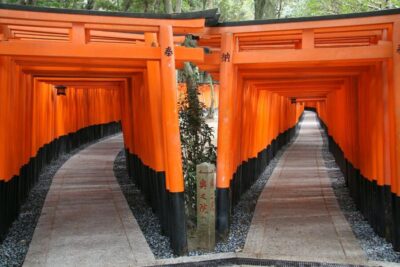
Fushimi Inari, Kinkakuji, Bamboo Grove 1 Day Bus Tour
Read our review →
Kyoto/Osaka: Nara, Fushimi Inari Taisha, Arashiyama Bus Tour
Read our review →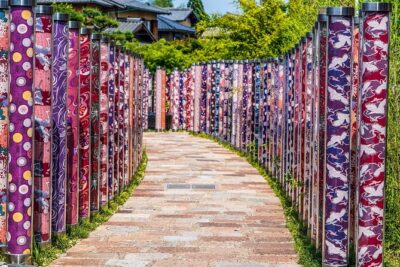
Kyoto Arashiyama Walking Tour: Bamboo, Monkeys, Gardens & Secrets
Read our review →
Arashiyama Bamboo, Temple, Monkeys, or Secret Sake Brewery
Read our review →
Arashiyama Bamboo Forest, Monkeys, Matcha & Temple Tour
Read our review →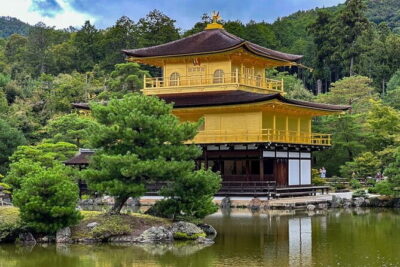
Nijo, Kinkaku-ji, Arashiyama, Kiyomizu & Fushimi Inari
Read our review →
Kyoto Ghost Tour: Dark Tales, Urban Legends, Bamboo Forest Night
Read our review →
Arashiyama Bamboo Forest & Hidden Gems Bike Tour (Early Bird)
Read our review →Browse the lists this tour appears in